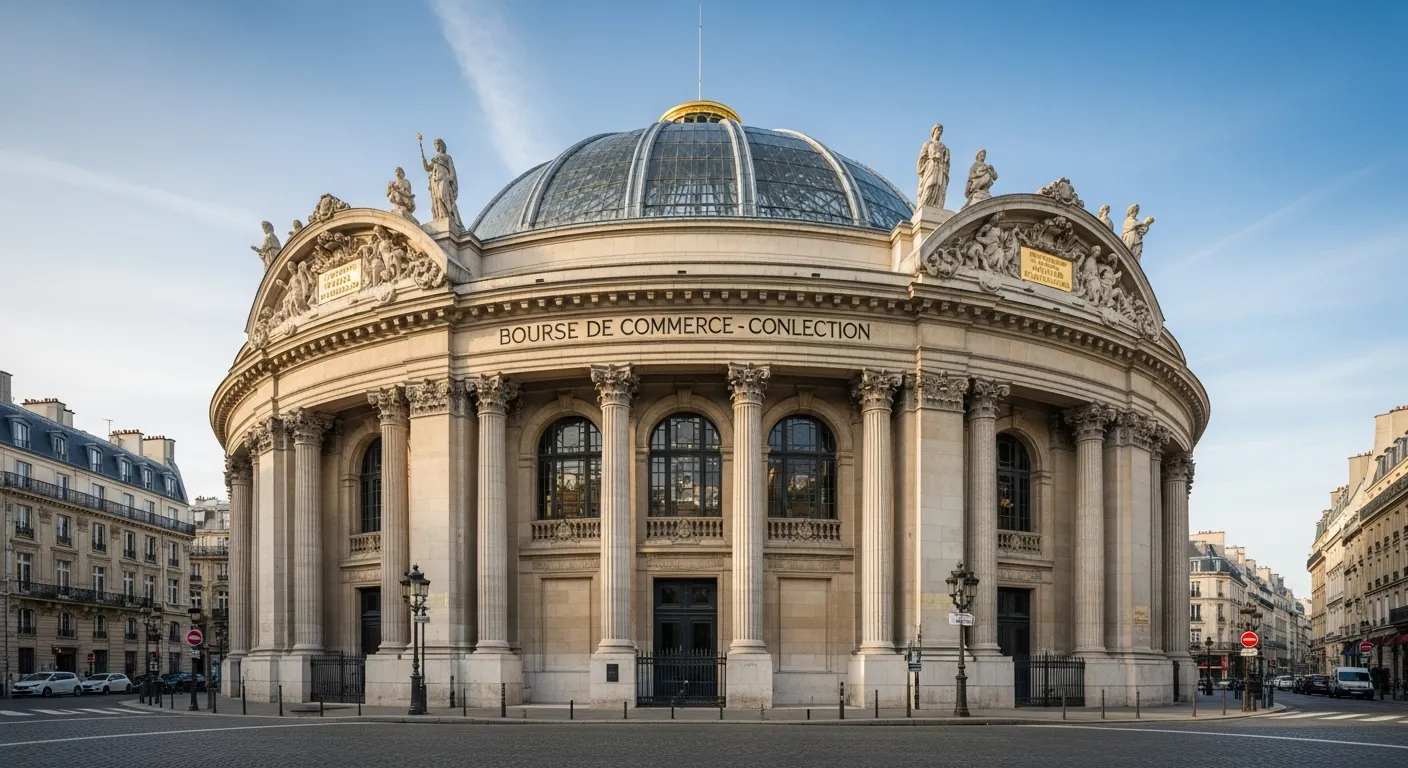
Petit Palais
Quick answer
Petit Palais in Paris, France — the Petit Palais — the 'small palace' — was built for the 1900 Universal Exposition in Paris, facing its grander neighbour the Grand Palais across Winston Churchill Avenue. Open Tuesday to Sunday: 10:00 AM – 6:00 PM; closed Mondays. Admission: free permanent collection (special exhibitions ticketed). Allow 90 minutes.
Visitor information last reviewed 30 June 2026. Check the official museum site for current details.
Petit Palais at a glance: hours, tickets and time needed
| Opening hours | Tuesday to Sunday: 10:00 AM – 6:00 PM |
|---|---|
| Closed | Mondays |
| Admission | Free permanent collection (special exhibitions ticketed) |
| Free access | Permanent collection always free |
| Booking | Tickets usually available on the day |
| Time needed | 90 minutes |
| Best time to visit | Weekday mornings at 10 AM — the free permanent collection is quiet before lunch. |
| Getting there | Metro: M1 or M13 to Champs-Élysées–Clemenceau — 3-minute walk down Winston Churchill Avenue |
| Address | Av. Winston Churchill, 75008 Paris, France |
| Official website | petitpalais.paris.fr |
Checked 2026-06-30 against the official website. Prices and hours change — confirm before you travel.
What is Petit Palais known for?
The Petit Palais — the 'small palace' — was built for the 1900 Universal Exposition in Paris, facing its grander neighbour the Grand Palais across Winston Churchill Avenue. Designed by Charles Girault, the building is a Belle Époque masterpiece of iron, stone, and mosaic, built around a semicircular courtyard garden that remains one of Paris's hidden oases.
Since 1902 it has housed the City of Paris Museum of Fine Arts, with a permanent collection that is completely free to visit. The collection spans from ancient and medieval art through the French Renaissance to 19th-century painting, with notable works by Courbet, Cézanne, Ingres, Delacroix, and the Impressionists.
The interior decoration is as much an attraction as the art — frescoes, mosaics, and sculpted details cover every surface of the grand staircase and gallery spaces. The wrought-iron and glass roof of the central gallery floods the permanent collection with natural light, creating an atmosphere closer to a palace than a conventional museum.
Just steps from the Champs-Élysées yet overlooked by most tourists, the Petit Palais offers one of Paris's best free cultural experiences. The interior garden café is a tranquil retreat from the bustle of the 8th arrondissement, and temporary exhibitions (ticketed) bring major shows to a manageable scale.
Best for: Art Lovers · First-timers
How long do you need at Petit Palais?
Allow 90 minutes. A focused route through 4 must-see highlights at Petit Palais without museum fatigue. Follow the stops in order:
- 1
The Three Bathers
📍 Gallery 08, 19th Century
An early Cézanne exploring the bather theme that would preoccupy him throughout his career.
- 2
Portrait of Madame Olry
📍 Gallery 07, 19th Century
Courbet's portrait of a young woman in a white dress — painted with the direct, unidealised realism that made him the leader of the Realist movement and a challenge to academic convention.
- 3
The Entry of Charles V into Paris
📍 Gallery 03, Middle Ages
A miniature from Fouquet's Hours of Étienne Chevalier — among the finest examples of French Renaissance manuscript illumination.
- 4
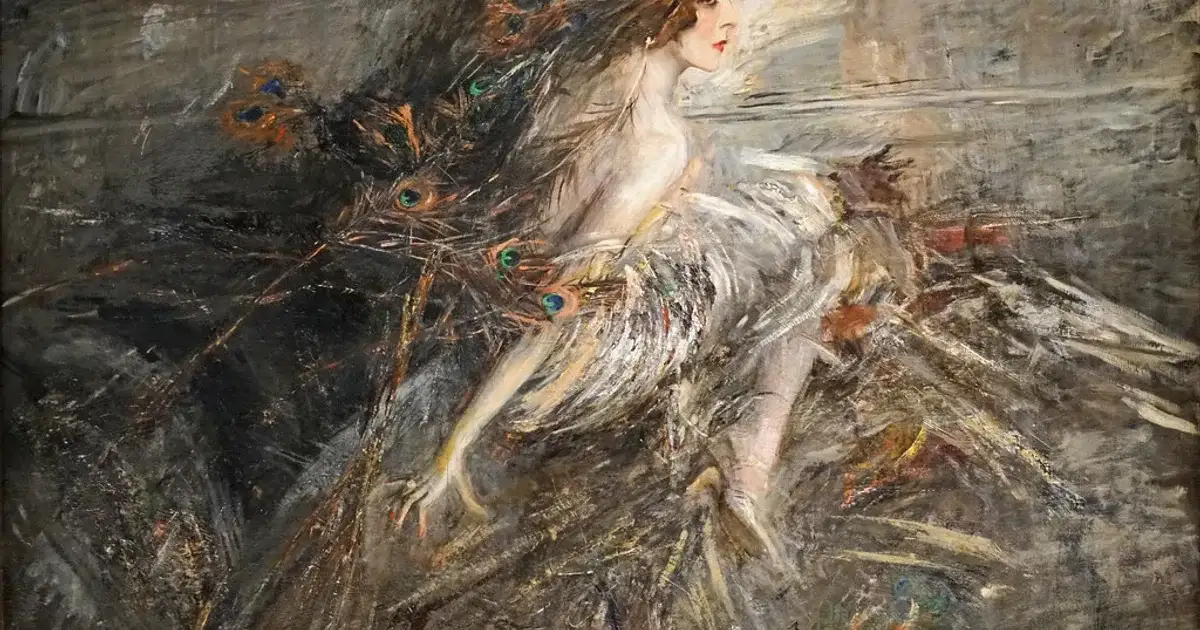
Portrait of the Countess Greffulhe
📍 Gallery 05, 17th Century
A formal portrait from the French classical tradition — restrained, dignified, and painted with the precise observation that made Champaigne the preferred portraitist of Cardinal Richelieu and the Jansenist movement.
What are the must-see works at Petit Palais?
4 highlights that define the collection: The Three Bathers, Portrait of Madame Olry, The Entry of Charles V into Paris and more.
The Three Bathers
Paul Cézanne · 1879–1882
📍 Gallery 08, 19th Century
An early Cézanne exploring the bather theme that would preoccupy him throughout his career. The three figures in a landscape show the artist's transition from Impressionism toward the structured geometry of his mature style.
Portrait of Madame Olry
Gustave Courbet · 1852
📍 Gallery 07, 19th Century
Courbet's portrait of a young woman in a white dress — painted with the direct, unidealised realism that made him the leader of the Realist movement and a challenge to academic convention.
The Entry of Charles V into Paris
Jean Fouquet · c. 1455
📍 Gallery 03, Middle Ages
A miniature from Fouquet's Hours of Étienne Chevalier — among the finest examples of French Renaissance manuscript illumination. Fouquet's clarity of colour and spatial depth influenced French painting for generations.
Portrait of the Countess Greffulhe
Philippe de Champaigne · c. 1640
📍 Gallery 05, 17th Century
A formal portrait from the French classical tradition — restrained, dignified, and painted with the precise observation that made Champaigne the preferred portraitist of Cardinal Richelieu and the Jansenist movement.
Collections and highlights
- • French 19th-century painting — Courbet, Cézanne, Pissarro, and Monet
- • Medieval and Renaissance art — illuminated manuscripts and religious panels
- • 17th-century French painting — Champaigne, Le Brun, and Bourdon
- • 18th-century art — Fragonard, Boucher, and Greuze
- • Sculpture — Carpeaux, Dalou, and Maillol
- • Decorative arts — ceramics, enamels, and jewellery
- • Icon collection — Byzantine and Russian religious art
- • Interior garden and Belle Époque architecture
Tips for visiting Petit Palais
- 1.
Best time to visit
Weekday mornings at 10 AM — the free permanent collection is quiet before lunch. The interior garden is most pleasant on sunny afternoons.
- 2.
Crowds & busy periods
Remarkably uncrowded for a central Paris museum. Even during summer, the free permanent collection rarely queues. Ticketed temporary exhibitions draw moderate crowds.
- 3.
Tickets & booking
Permanent collection is always free — no ticket required. Temporary exhibitions are ticketed (typically €14). Enter through the main doors on Avenue Winston Churchill.
- 4.
Food & cafés nearby
Garden café inside the courtyard — tranquil and reasonably priced. Champs-Élysées restaurants are 2 minutes away but tourist-priced; Rue du Faubourg Saint-Honoré offers better options.
- 5.
Accessibility
Fully accessible with ramps and elevators. Wheelchair available at reception. The garden courtyard is step-free.
How do you get to Petit Palais?
- metro M1 or M13 to Champs-Élysées–Clemenceau — 3-minute walk down Winston Churchill Avenue
- bus Routes 28, 42, 72, 73, and 93 stop at Grand Palais–Petit Palais on Cours la Reine
- walk 5 minutes from Place de la Concorde via Cours la Reine along the Seine
Address: Av. Winston Churchill, 75008 Paris, France
Petit Palais: frequently asked questions
Is the Petit Palais free?
Yes — the permanent collection is completely free with no ticket required. Temporary exhibitions are ticketed. The interior garden café is a quiet escape from the Champs-Élysées crowds.
How long should I spend at Petit Palais?
Plan 90 minutes for the highlights of Petit Palais. Our 4-stop route — The Three Bathers, Portrait of Madame Olry, The Entry of Charles V into Paris and more — is designed to fit that time. Add extra time for temporary exhibitions, the shop and the café.
What is Petit Palais best known for?
A Belle Époque palace built for the 1900 Exposition — permanent fine arts collection free to all, with Courbet, Cézanne, and decorative arts around a beautiful interior garden. Key highlights include French 19th-century painting — Courbet, Cézanne, Pissarro, and Monet, Medieval and Renaissance art — illuminated manuscripts and religious panels, 17th-century French painting — Champaigne, Le Brun, and Bourdon.
How do I get tickets for Petit Palais?
Free permanent collection (special exhibitions ticketed). You can walk in without a ticket; paid exhibitions are booked separately. Official site: https://www.petitpalais.paris.fr/en
Is the Petit Palais really free?
Yes — the permanent collection has been free since 2002 with no ticket required. Walk through the main entrance, pass security, and enter the galleries directly. Only temporary exhibitions require a ticket. This makes it one of the best free museums in Paris.
Can I visit the garden without seeing the art?
The interior garden courtyard is accessible through the museum entrance. You can reach the garden café without touring the galleries, though passing through the ground-floor sculpture hall is unavoidable. The garden is free and open during museum hours.
Petit Palais or Musée d'Orsay — which if I only have time for one?
They serve different purposes — the d'Orsay is unmissable for Impressionism and Post-Impressionism (Monet, Van Gogh, Degas). The Petit Palais is free, quieter, and covers a broader chronological range with fewer masterpieces. If you have 2 hours and want the greatest hits, choose d'Orsay. If you want a peaceful free experience, choose the Petit Palais.
Is Petit Palais open on Mondays?
No — Petit Palais is closed every Monday. It is open Tuesday to Sunday: 10:00 AM – 6:00 PM. Plan a different museum for that day, and check the official website for holiday changes.
What are Petit Palais's opening hours?
Petit Palais is open Tuesday to Sunday: 10:00 AM – 6:00 PM, and closed Mondays. Hours can change for holidays and events, so check the official website before you go.