Natural History
Natural history museums document biological, geological, and palaeontological history — among the most accessible and family-friendly museums worldwide.
6 museums in this category
Quick answer
World Museum Guide lists 6natural history worldwide — leading institutions include Natural History Museum, American Museum of Natural History, Smithsonian National Museum of Natural History — each with a full guide to admission, opening hours, and must-see highlights, so you can pick the right one for your trip.
Visiting tip
Ideal for families. Visit weekday mornings to avoid school-group crowds.
Leading institutions

All natural history
New York City, United States
American Museum of Natural History
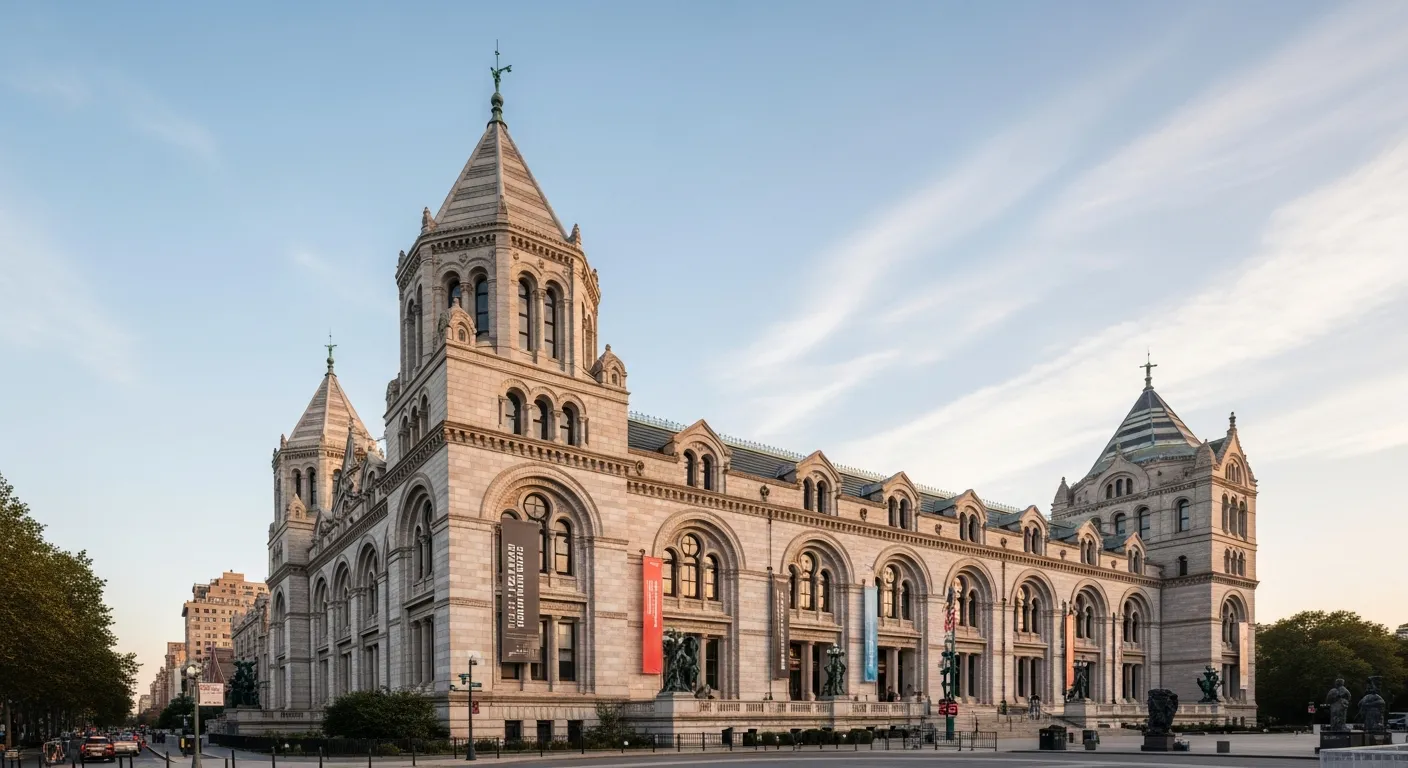
The American Museum of Natural History (AMNH) on Central Park West is one of the world's preeminent scientific and cultural institutions, founded in 1869 and now encompassing 25 interconnected buildings across four city blocks. Its collections exceed 34 million specimens and cultural artifacts — among the largest holdings of any natural history museum on Earth.
Chicago, United States
Field Museum
One of the world's largest natural history museums, home to SUE the T. rex — the most complete Tyrannosaurus rex skeleton ever found — plus ancient Egypt, gems, and anthropology collections spanning 4.6 billion years.
Nairobi, Kenya
National Museum of Kenya
The National Museum of Kenya on Museum Hill in Nairobi is East Africa's flagship museum. Founded in 1910 as the Coryndon Museum, it was renamed after independence and has undergone major renovation to become a modern cultural centre.
London, United Kingdom
Natural History Museum
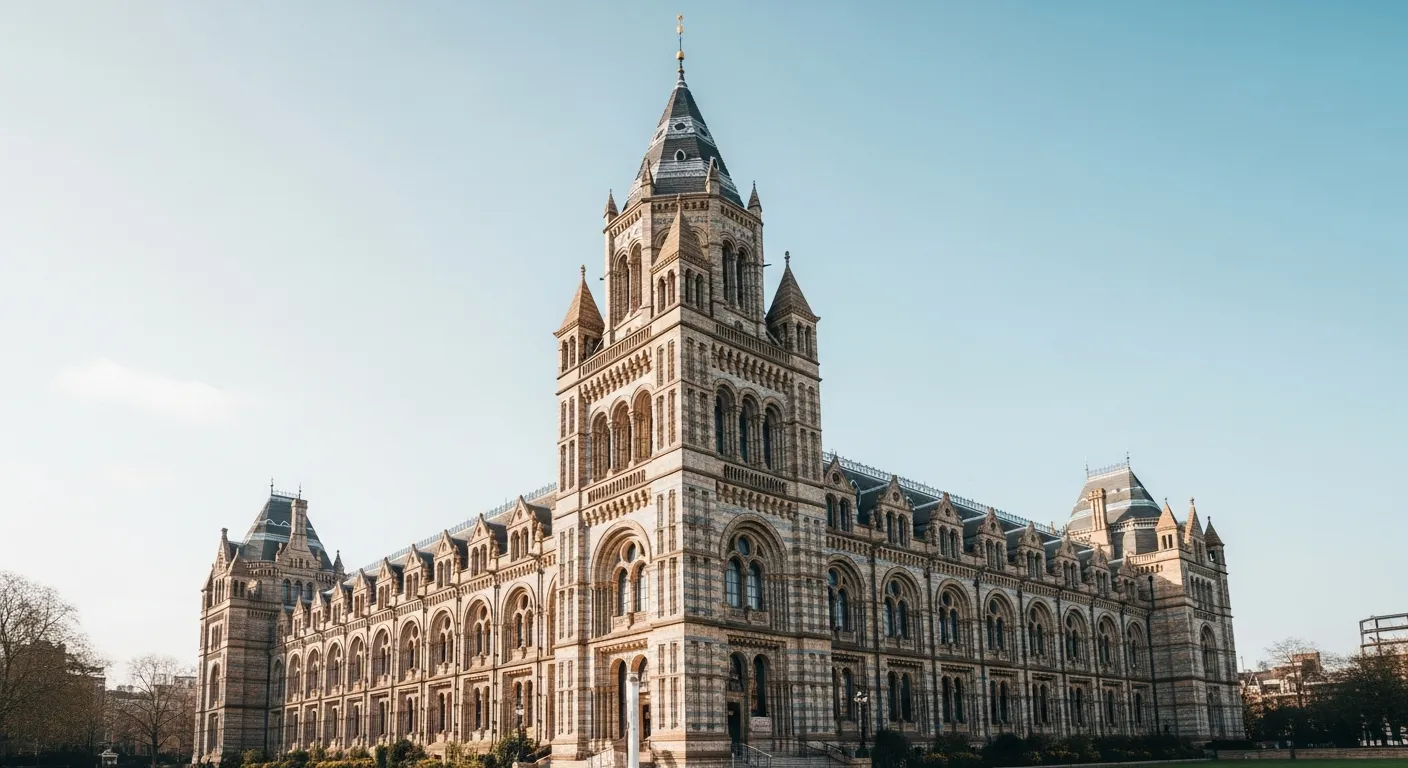
Alfred Waterhouse's Romanesque-revival building opened in 1881 to display the natural-history collections that had outgrown the British Museum. The terracotta facade is decorated with sculptures of living and extinct species.
FreeVienna, Austria
Natural History Museum Vienna
The Naturhistorisches Museum Vienna (NHM) opened in 1889 as a twin to the Kunsthistorisches Museum across the square. Its collection of 30 million objects makes it one of the largest natural history museums in the world, covering mineralogy, petrology, geology, palaeontology, anthropology, and zoology.
FreeWashington D.C., United States
Smithsonian National Museum of Natural History
Opened in 1910 on the National Mall, the Smithsonian's National Museum of Natural History is one of the most visited museums in the world, attracting over 4 million visitors a year. Its collection of 145 million specimens spans geology, mineralogy, biology, anthropology, and paleontology.
FreeCommon questions
What is a natural history?
Natural history museums document biological, geological, and palaeontological history — among the most accessible and family-friendly museums worldwide.
Which natural history should I visit first?
Ideal for families. Visit weekday mornings to avoid school-group crowds. Our guides cover 6 natural history on World Museum Guide.
How many natural history are in the directory?
World Museum Guide lists 6 natural history across 48 countries — with admission, hours, masterworks, and visit routes.