Science Museum
London · United Kingdom · Founded 1857

Quick answer
Science Museum in London, United Kingdom — founded in 1857 with material from the Great Exhibition, the Science Museum has grown to hold more than 300,000 items charting the history of science, technology, medicine, and industry. Open daily, 10:00 AM – 6:00 PM. Admission: free standard admission. Allow 2–3 hours.
Visitor information last reviewed 30 June 2026. Check the official museum site for current details.
Science Museum at a glance: hours, tickets and time needed
| Opening hours | Daily: 10:00 AM – 6:00 PM |
|---|---|
| Admission | Free standard admission |
| Booking | Tickets usually available on the day |
| Time needed | 2–3 hours |
| Best time to visit | Weekday mornings at 10 AM opening. |
| Getting there | Metro: District, Circle, or Piccadilly Line to South Kensington — pedestrian tunnel to Exhibition Road |
| Address | Exhibition Rd, London SW7 2DD, United Kingdom |
| Official website | sciencemuseum.org.uk |
Checked 2026-06-30 against the official website. Prices and hours change — confirm before you travel.
What is Science Museum known for?
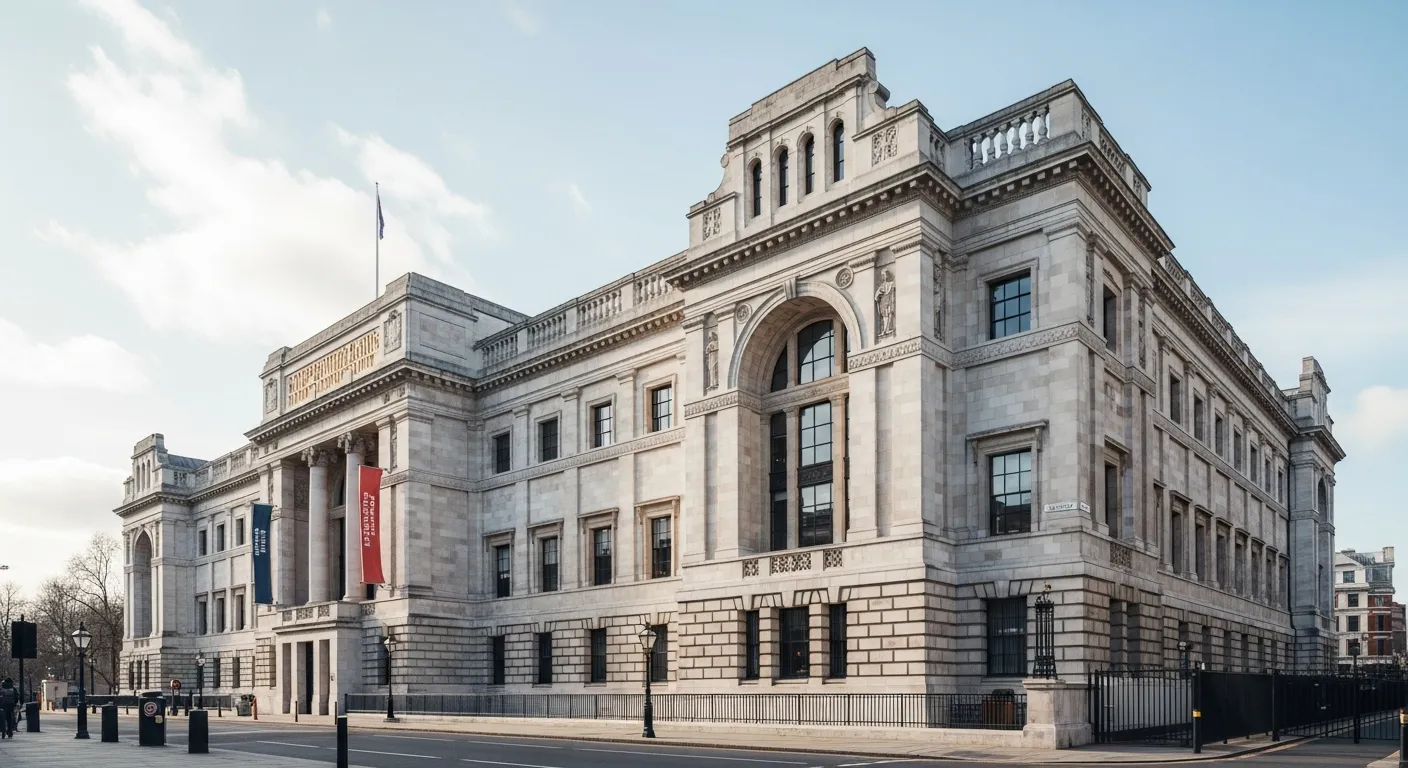
Founded in 1857 with material from the Great Exhibition, the Science Museum has grown to hold more than 300,000 items charting the history of science, technology, medicine, and industry.
Free admission to permanent galleries makes it one of London's most visited museums, especially popular with families. It sits on Exhibition Road in South Kensington alongside the V&A and Natural History Museum.
Highlights include Stephenson's Rocket, the Apollo 10 command module, Alan Turing's Pilot ACE computer, and Watson and Crick's DNA model.
The Wonderlab interactive gallery (ticketed) and IMAX cinema offer hands-on experiences for children. The museum's historic engines gallery is a masterpiece of Victorian industrial display.
Best for: Families · History Enthusiasts · Rainy-day visits
How long do you need at Science Museum?
Allow 2–3 hours. A focused route through 4 must-see highlights at Science Museum without museum fatigue. Follow the stops in order:
- 1
Stephenson's Rocket
📍 Making the Modern World gallery
The locomotive that won the Rainhill Trials and launched the railway age — one of the most important machines in industrial history, displayed alongside the Apollo 10 capsule.
- 2
Apollo 10 Command Module
📍 Making the Modern World gallery
The capsule that rehearsed every step of the Moon landing except the final descent — Charlie Brown carried Stafford, Young, and Cernan around the Moon in May 1969.
- 3
Watson and Crick's DNA Model
📍 Who Am I? gallery
The original wire-and-tinplate model built in the Cavendish Laboratory to test the double-helix structure of DNA — one of the most significant objects in the history of science.
- 4
Babbage's Difference Engine No. 1
📍 Mathematics gallery
Babbage's pioneering mechanical calculator — never completed in his lifetime but the conceptual ancestor of the modern computer.
What are the must-see works at Science Museum?
4 highlights that define the collection: Stephenson's Rocket, Apollo 10 Command Module, Watson and Crick's DNA Model and more.
Stephenson's Rocket
George and Robert Stephenson · 1829
📍 Making the Modern World gallery
The locomotive that won the Rainhill Trials and launched the railway age — one of the most important machines in industrial history, displayed alongside the Apollo 10 capsule.
Apollo 10 Command Module
NASA · 1969
📍 Making the Modern World gallery
The capsule that rehearsed every step of the Moon landing except the final descent — Charlie Brown carried Stafford, Young, and Cernan around the Moon in May 1969.
Watson and Crick's DNA Model
James Watson and Francis Crick · 1953
📍 Who Am I? gallery
The original wire-and-tinplate model built in the Cavendish Laboratory to test the double-helix structure of DNA — one of the most significant objects in the history of science.
Babbage's Difference Engine No. 1
Charles Babbage · 1832
📍 Mathematics gallery
Babbage's pioneering mechanical calculator — never completed in his lifetime but the conceptual ancestor of the modern computer.
Collections and highlights
- • Making the Modern World — Rocket, Apollo 10, Crick's DNA model
- • Flight gallery — historic aircraft
- • Medicine and healthcare history
- • Mathematics and computing
- • Energy and power — steam engines
- • Wonderlab interactive gallery (ticketed)
Tips for visiting Science Museum
- 1.
Best time to visit
Weekday mornings at 10 AM opening. School holidays are extremely busy.
- 2.
Crowds & busy periods
One of London's most visited free museums. Extremely crowded during school holidays. Making the Modern World is always busy.
- 3.
Tickets & booking
Free permanent galleries. Wonderlab and IMAX are ticketed — book online. No advance booking needed for main galleries.
- 4.
Food & cafés nearby
Energy Café inside the museum; restaurants on Exhibition Road and in South Kensington.
- 5.
Accessibility
Fully accessible. All galleries step-free. Wheelchairs available.
How do you get to Science Museum?
- metro District, Circle, or Piccadilly Line to South Kensington — pedestrian tunnel to Exhibition Road
- bus Bus 14, 74, and others along Cromwell Road
- walk 15 minutes from Harrods through South Kensington
Address: Exhibition Rd, London SW7 2DD, United Kingdom
Science Museum: frequently asked questions
Is admission free?
Yes, the permanent galleries are free; some special exhibits and Wonderlab are ticketed.
Are the IMAX screenings included?
No, IMAX films require a separate ticket.
How long should I spend at Science Museum?
Plan 2–3 hours for the highlights of Science Museum. Our 4-stop route — Stephenson's Rocket, Apollo 10 Command Module, Watson and Crick's DNA Model and more — is designed to fit that time. Add extra time for temporary exhibitions, the shop and the café.
What is Science Museum best known for?
Founded in 1857 with material from the Great Exhibition, the Science Museum has grown to hold more than 300,000 items charting the history of science and technology. Key highlights include Stephenson's Rocket, Apollo 10 command module, Wonderlab interactive gallery.
How do I get tickets for Science Museum?
Free standard admission. You can walk in without a ticket; paid exhibitions are booked separately. Official site: https://www.sciencemuseum.org.uk/
Is it good for young children?
Excellent — Wonderlab (ages 7–14) is a ticketed interactive gallery. The free galleries also have hands-on elements. Very popular with families.
Is Science Museum open on Mondays?
Yes — Science Museum is open every day of the week, including Mondays and Sundays: 10:00 AM – 6:00 PM. Check the official website for holiday hours.
What are Science Museum's opening hours?
Science Museum is open daily, 10:00 AM – 6:00 PM. Hours can change for holidays and events, so check the official website before you go.