Pergamon Museum
Closed for renovation
The Pergamon Museum closed on 23 October 2023 for a major renovation expected to run until around 2037. The north wing and the Pergamon Altar hall are due to reopen first, planned for 2027 — check the official site for current dates.
Quick answer
Pergamon Museum in Berlin, Germany is currently closed: The Pergamon Museum closed on 23 October 2023 for a major renovation expected to run until around 2037. The north wing and the Pergamon Altar hall are due to reopen first, planned for 2027 — check the official site for current dates. World Museum Guide keeps its highlights and history here and will update visitor details when it reopens.
Visitor information last reviewed 30 June 2026. Check the official museum site for current details.
Is Pergamon Museum open?
| Status | The Pergamon Museum closed on 23 October 2023 for a major renovation expected to run until around 2037. The north wing and the Pergamon Altar hall are due to reopen first, planned for 2027 — check the official site for current dates. |
|---|---|
| Address | Bodestraße 1-3, 10178 Berlin, Germany |
| Official website | smb.museum |
Checked 2026-06-30 against the official website. Prices and hours change — confirm before you travel.
What is Pergamon Museum known for?
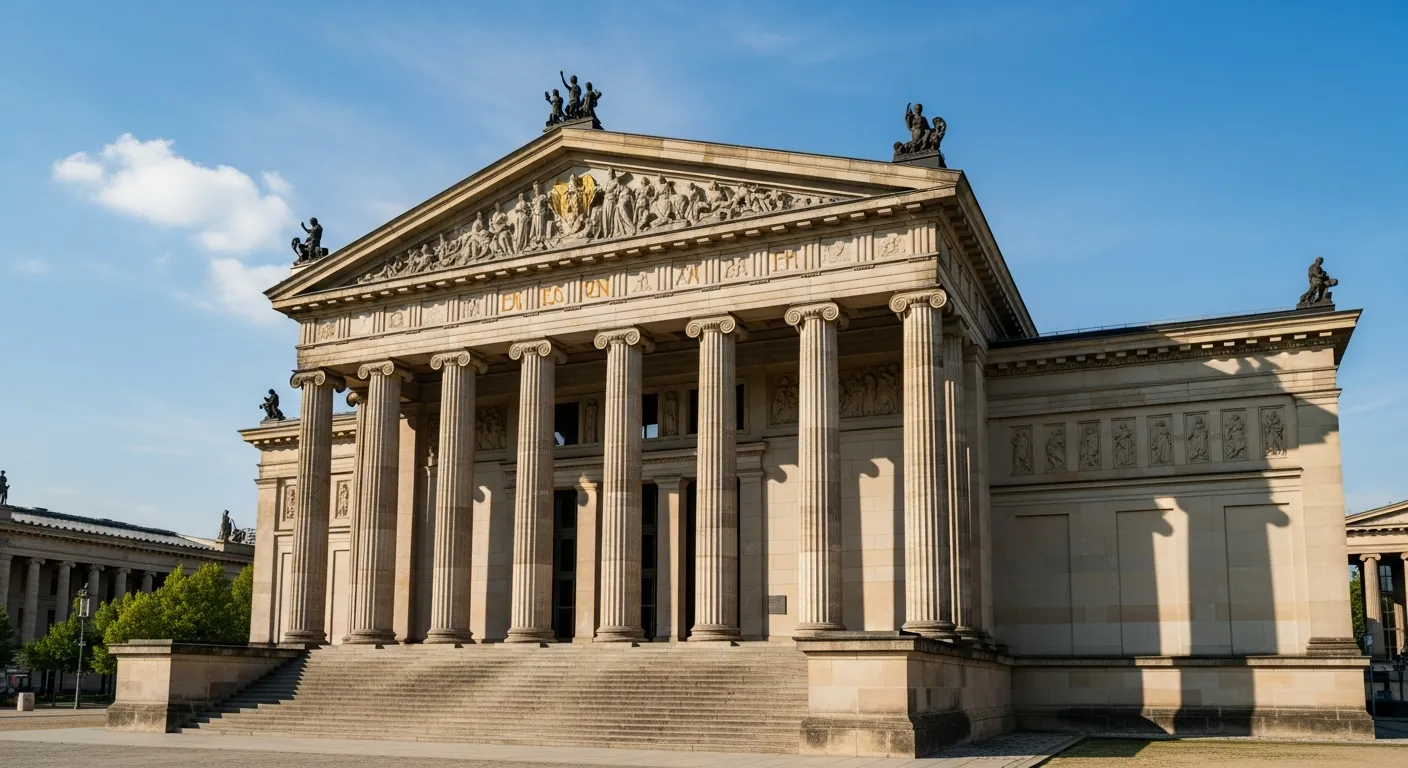
The Pergamon Museum is a listed building on the Museum Island in the historic centre of Berlin, Germany. It was built from 1910 to 1930 by order of Emperor Wilhelm II according to plans by Alfred Messel and Ludwig Hoffmann.
The museum houses three main collections: the Antikensammlung (Collection of Classical Antiquities), the Vorderasiatisches Museum (Museum of the Ancient Near East), and the Museum für Islamische Kunst (Museum of Islamic Art).
It is most famous for the monumental reconstructions of archaeological buildings such as the Pergamon Altar, the Market Gate of Miletus, and the Ishtar Gate of Babylon — all originally transported from Turkey, Greece, and Iraq.
The museum is undergoing a major multi-year renovation; large parts are closed and reopening in phases. Always verify current access before visiting.
Best for: Art Lovers · First-timers · Rainy-day visits
What are the must-see works at Pergamon Museum?
3 highlights that define the collection: Pergamon Altar, Ishtar Gate of Babylon, Market Gate of Miletus.
Pergamon Altar
Hellenistic craftsmen of Pergamon · c. 197–159 BCE
📍 Pergamon Hall (currently under reconstruction)
A monumental altar with a 113-metre-long frieze depicting the battle of gods and giants (Gigantomachy). Brought to Berlin in the 1870s-80s from Pergamon (modern Turkey), it remains one of the greatest works of Hellenistic art.
Ishtar Gate of Babylon
Craftsmen of Nebuchadnezzar II · 575 BCE
📍 Middle East Antiquities Hall
The eighth gate of ancient Babylon's inner city, decorated with glazed lapis-blue bricks and relief images of dragons (mushhushshu) and bulls. The reconstruction in Berlin uses original tiles; the largest collection of bricks used in this reconstruction.
Market Gate of Miletus
Roman architects · 2nd century CE
📍 Antiquities Collection Hall
A two-storey Roman market gateway from the city of Miletus (western Turkey), reconstructed to 28 metres in width. Discovered in archaeological digs and transported to Berlin in 1907.
Collections and highlights
- • The Ishtar Gate of Babylon
- • Market Gate of Miletus
- • Mshatta Facade
- • Aleppo Room
- • Pergamon Altar (currently inaccessible during renovation)
Pergamon Museum: frequently asked questions
Is the Pergamon Museum open in 2025?
The Pergamon Museum is undergoing a major multi-phase renovation that began in 2023 and is expected to continue until approximately 2037. During this period, the main Pergamon Altar hall is closed. The North Wing — containing the Market Gate of Miletus, the Ishtar Gate of Babylon, and the Museum of Islamic Art — reopened in phases from late 2023 onward. Always check the official Staatliche Museen zu Berlin website (smb.museum) for the latest access status before visiting.
What is the Ishtar Gate of Babylon?
The Ishtar Gate was the eighth gate of the inner city of Babylon (modern-day Hillah, Iraq), built by King Nebuchadnezzar II around 575 BCE. It was dedicated to the Babylonian goddess Ishtar and stood at the entrance to the Processional Way. The gate was covered in lapis lazuli-glazed bricks decorated with alternating rows of lions, aurochs (wild bulls), and sirrush (mythological dragon-like creatures). German archaeologist Robert Koldewey excavated the gate between 1902 and 1914; the reconstructed gate in Berlin stands 14 metres tall.
What is the Pergamon Altar and why is it significant?
The Pergamon Altar is a monumental Greek altar built in the 2nd century BCE in the city of Pergamon (modern-day Bergama, Turkey) under King Eumenes II. It features one of the most extensive surviving examples of Hellenistic sculpture — the Gigantomachy frieze (166 metres long), depicting the battle between the Olympian gods and the Giants. Carl Humann excavated the site between 1878 and 1886 and transported the altar to Berlin. It is considered one of the greatest masterpieces of Greek art. The altar itself is inaccessible during the current renovation.
Is it still worth visiting Museum Island in Berlin?
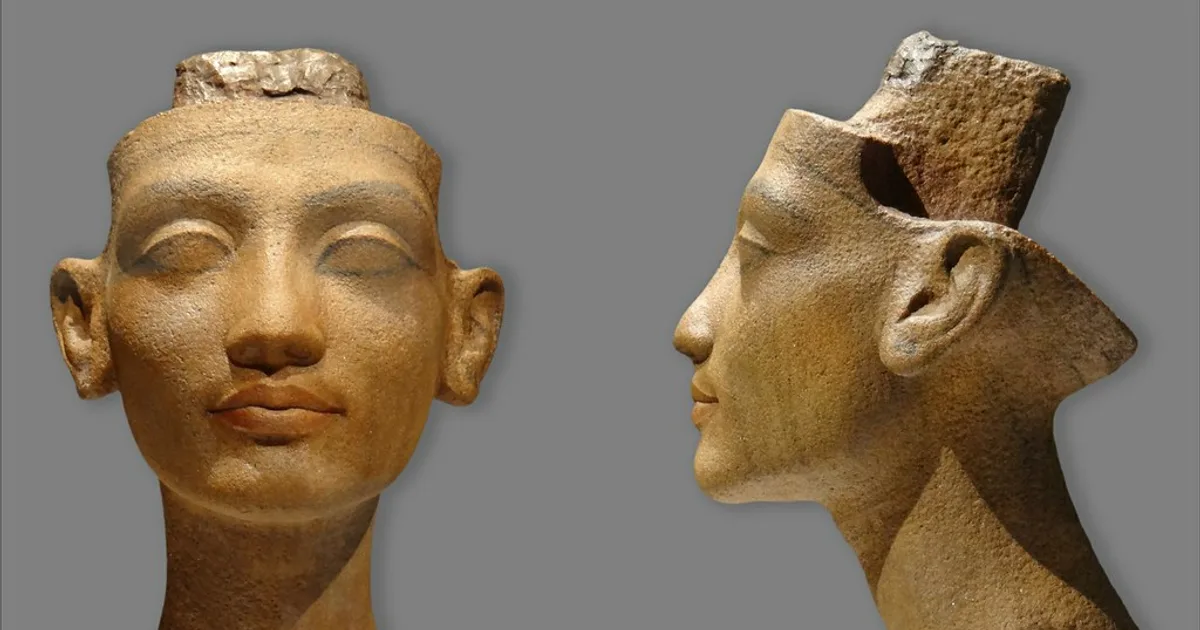
Yes — even with the Pergamon's ongoing renovation, Museum Island (a UNESCO World Heritage Site) contains four other world-class museums: the Bode Museum (Byzantine art and European sculpture), the Alte Nationalgalerie (19th-century European painting and sculpture), the Altes Museum (Greek and Roman antiquities), and the Neues Museum (including the famous bust of Nefertiti). A 3-day Berlin Museum Pass grants entry to all Staatliche Museen zu Berlin sites and represents excellent value.
When will the Pergamon Museum renovation be complete?
The full renovation of the Pergamon Museum is a major structural project that is not expected to be complete until approximately 2037. The renovation is necessary to address structural issues in the 1930s building and improve facilities for modern museum standards. The project will be completed in phases — sections of the museum will progressively reopen over the coming years. The Pergamon Altar wing is expected to reopen around 2027, though dates are subject to change.
How long should I spend at Pergamon Museum?
Plan 2–3 hours for the highlights. Add time for temporary exhibitions, the museum shop, and café.