Nara National Museum
Quick answer
Nara National Museum in Nara, Japan — established in 1895, the Nara National Museum specialises in Buddhist art — particularly sculpture, painting, and ritual objects from temples in the Nara region. Open Tuesday to Sunday: 9:30 AM – 5:00 PM; closed Mondays. Admission: ¥700 standard admission. Allow 1.5–2 hours.
Visitor information last reviewed 30 June 2026. Check the official museum site for current details.
Nara National Museum at a glance: hours, tickets and time needed
| Opening hours | Tuesday to Sunday: 9:30 AM – 5:00 PM |
|---|---|
| Closed | Mondays |
| Admission | ¥700 standard admission |
| Booking | Tickets usually available on the day |
| Time needed | 1.5–2 hours |
| Best time to visit | Weekday mornings outside Shōsō-in season. |
| Getting there | Walk: 15 minutes from Kintetsu Nara Station through Nara Park — deer and temple approach |
| Address | 50 Noboriojicho, Nara, Japan |
| Official website | narahaku.go.jp |
Checked 2026-06-30 against the official website. Prices and hours change — confirm before you travel.
What is Nara National Museum known for?
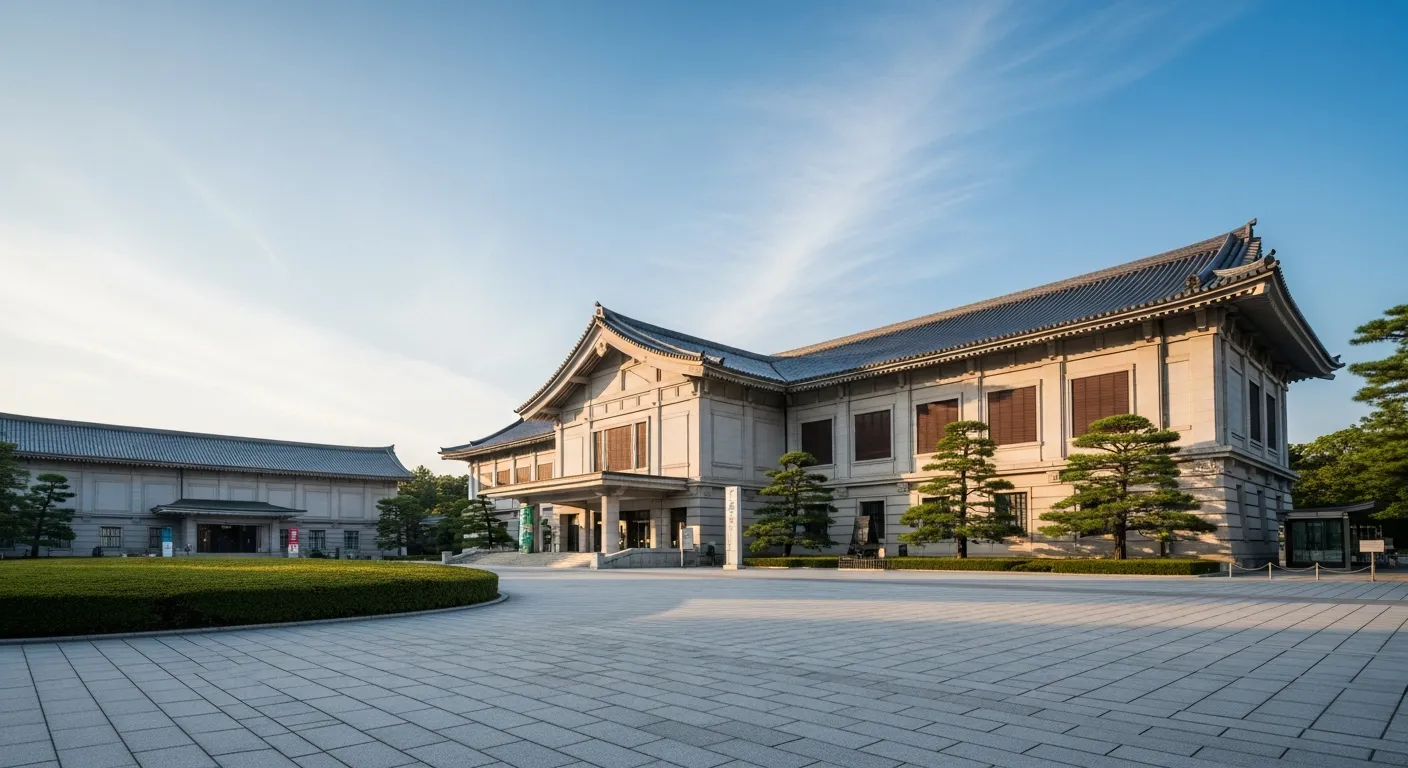
Established in 1895, the Nara National Museum specialises in Buddhist art — particularly sculpture, painting, and ritual objects from temples in the Nara region. It sits in Nara Park, surrounded by free-roaming deer and within walking distance of Tōdai-ji and Kōfuku-ji.
The Nara Buddhist Sculpture Hall displays masterpieces of Japanese Buddhist statuary from the Asuka through Kamakura periods — gilt bronze, dry-lacquer, and wood figures of exceptional refinement. The museum is Japan's leading institution for Buddhist art.
Each autumn the museum hosts the Annual Exhibition of Shōsō-in Treasures — displaying eighth-century imperial objects preserved at Tōdai-ji's Shōsō-in repository. The exhibition runs for roughly two weeks in late October and early November and draws enormous crowds.
The original building by architect Tokuma Katayama (1894) and the modern West Wing together create one of Japan's most important regional museums.
Best for: Art Lovers · History Enthusiasts · First-timers
How long do you need at Nara National Museum?
Allow 1.5–2 hours. A focused route through 4 must-see highlights at Nara National Museum without museum fatigue. Follow the stops in order:
- 1
Ashura
📍 Buddhist Sculpture Hall
A dry-lacquer figure of Ashura — one of the Eight Guardians — with an intense, youthful expression.
- 2
Shōsō-in Treasures (annual exhibition)
📍 Special exhibition hall, autumn only
Imperial treasures from the Shōsō-in repository at Tōdai-ji — silk, lacquer, and glass objects preserved since the 8th century.
- 3
Gilt Bronze Shakyamuni Triad
📍 Buddhist Sculpture Hall
An early Japanese gilt-bronze Buddhist triad — refined casting and graceful proportions from the Asuka period when Buddhism was first established in Japan.
- 4
Heian Buddhist Painting
📍 Painting gallery
Esoteric Buddhist mandalas and scroll paintings from the Heian period — delicate colour and spiritual iconography from Japan's classical age.
What are the must-see works at Nara National Museum?
4 highlights that define the collection: Ashura, Shōsō-in Treasures (annual exhibition), Gilt Bronze Shakyamuni Triad and more.
Ashura
Unknown · 733 CE (dry lacquer)
📍 Buddhist Sculpture Hall
A dry-lacquer figure of Ashura — one of the Eight Guardians — with an intense, youthful expression. Among the most celebrated Buddhist sculptures in Japan.
Shōsō-in Treasures (annual exhibition)
Nara period · 8th century
📍 Special exhibition hall, autumn only
Imperial treasures from the Shōsō-in repository at Tōdai-ji — silk, lacquer, and glass objects preserved since the 8th century. Displayed annually in late October and early November.
Gilt Bronze Shakyamuni Triad
Asuka period · c. 623
📍 Buddhist Sculpture Hall
An early Japanese gilt-bronze Buddhist triad — refined casting and graceful proportions from the Asuka period when Buddhism was first established in Japan.
Heian Buddhist Painting
Heian period · 9th–12th century
📍 Painting gallery
Esoteric Buddhist mandalas and scroll paintings from the Heian period — delicate colour and spiritual iconography from Japan's classical age.
Collections and highlights
- • Japanese Buddhist sculpture — Asuka to Kamakura
- • Annual Shōsō-in Treasures exhibition (autumn)
- • Heian and Kamakura Buddhist paintings
- • Ritual objects and temple furnishings
- • Archaeological finds from Nara temple sites
- • Tokuma Katayama's 1894 museum building
- • Nara Park setting with Tōdai-ji nearby
Tips for visiting Nara National Museum
- 1.
Best time to visit
Weekday mornings outside Shōsō-in season. For the Shōsō-in Treasures exhibition, book immediately when dates are announced — late October/early November.
- 2.
Crowds & busy periods
Quiet most of the year except during the Shōsō-in exhibition when queues are long. Nara Park deer add to the atmosphere year-round.
- 3.
Tickets & booking
¥700 standard; Shōsō-in exhibition priced separately and requires advance planning. Closed Mondays.
- 4.
Food & cafés nearby
Nara Park vendors and restaurants near Kintetsu Nara Station; limited options beside the museum.
- 5.
Accessibility
Partial accessibility — older building has stairs. West Wing more accessible. Contact museum in advance.
How do you get to Nara National Museum?
- walk 15 minutes from Kintetsu Nara Station through Nara Park — deer and temple approach
- bus Nara City Loop Bus to Nara National Museum stop from JR Nara and Kintetsu stations
- walk 5 minutes from Tōdai-ji Great Buddha Hall; 10 minutes from Kōfuku-ji
Address: 50 Noboriojicho, Nara, Japan
Nara National Museum: frequently asked questions
When are the Shōsō-in Treasures shown?
Annually in late October and early November.
Are the deer of Nara Park nearby?
Yes — the famous deer roam freely outside the museum.
How long should I spend at Nara National Museum?
Plan 1.5–2 hours for the highlights of Nara National Museum. Our 4-stop route — Ashura, Shōsō-in Treasures (annual exhibition), Gilt Bronze Shakyamuni Triad and more — is designed to fit that time. Add extra time for temporary exhibitions, the shop and the café.
What is Nara National Museum best known for?
Established in 1895, the Nara National Museum specialises in Buddhist art, particularly objects from temples in the Nara region. Key highlights include Buddhist sculpture gallery, Annual Shōsō-in Treasures exhibition, Heian Buddhist paintings.
How do I get tickets for Nara National Museum?
Admission: ¥700 standard admission. Tickets are usually available on the day, but booking online saves queue time in peak season. Official site: https://www.narahaku.go.jp/english/
Are the Nara Park deer nearby?
Yes — the famous sika deer roam freely throughout Nara Park. The museum entrance is within the park, and deer are often visible from the approach paths.
Can I combine with Tōdai-ji in one day?
Yes — Tōdai-ji's Great Buddha Hall is a 5-minute walk from the museum. Kōfuku-ji and Kasuga Taisha are also in Nara Park. Allow a full day for Nara's temple district.
Is Nara National Museum open on Mondays?
No — Nara National Museum is closed every Monday. It is open Tuesday to Sunday: 9:30 AM – 5:00 PM. Plan a different museum for that day, and check the official website for holiday changes.
What are Nara National Museum's opening hours?
Nara National Museum is open Tuesday to Sunday: 9:30 AM – 5:00 PM, and closed Mondays. Hours can change for holidays and events, so check the official website before you go.
Is Nara National Museum free to visit?
No — standard admission is ¥700 standard admission.