Museo de Bellas Artes de Sevilla
Quick answer
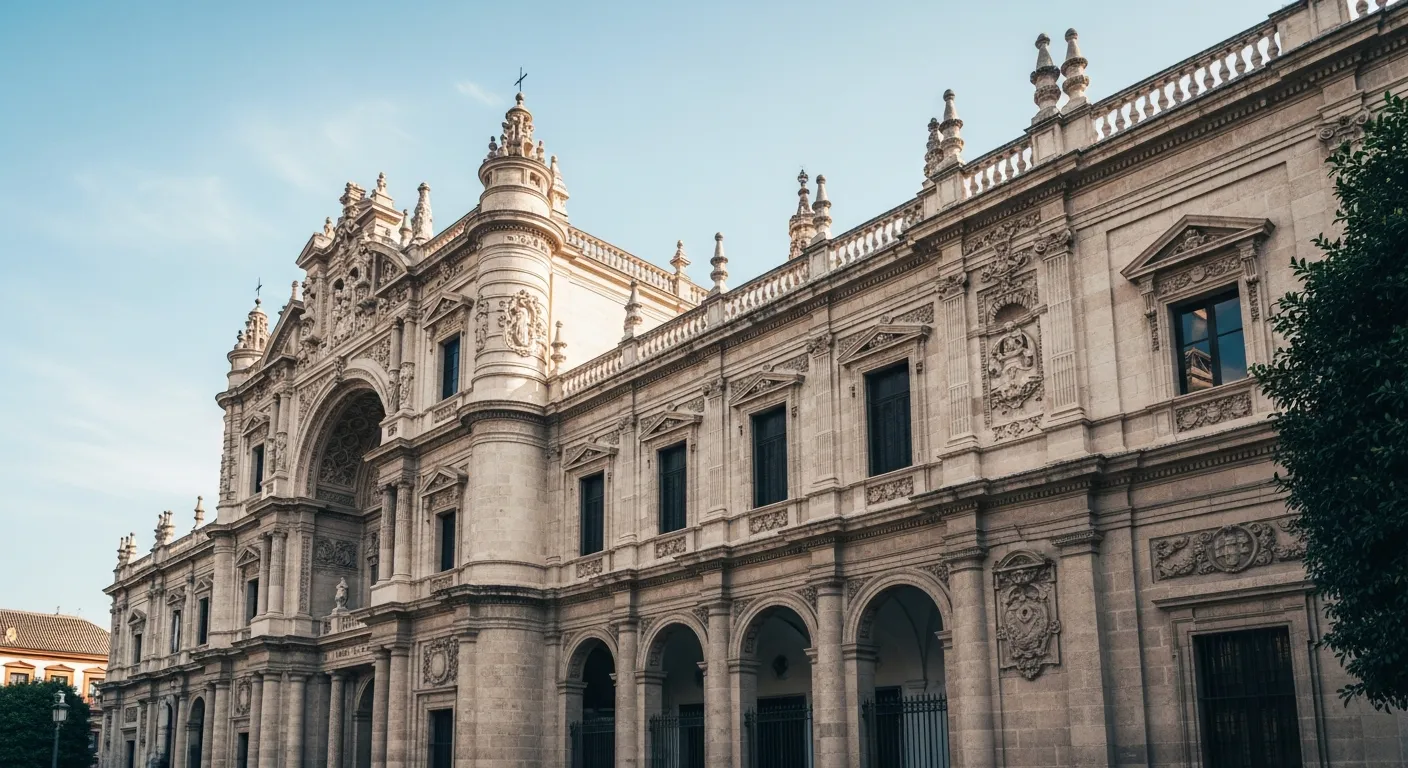
Museo de Bellas Artes de Sevilla in Seville, Spain — founded in 1839 by royal decree and opened to the public in 1841, the museum occupies the former Convento de la Merced Calzada, with three Mudejar-style cloisters and a baroque church as exhibition rooms. Open Tuesday to Saturday: 9:00 AM – 9:00 PM; Sunday: 9:00 AM – 3:00 PM; closed Mondays. Admission: €1.50 standard admission (free for EU citizens). Allow 2–3 hours.
Visitor information last reviewed 30 June 2026. Check the official museum site for current details.
Museo de Bellas Artes de Sevilla at a glance: hours, tickets and time needed
| Opening hours | Tuesday to Saturday: 9:00 AM – 9:00 PM; Sunday: 9:00 AM – 3:00 PM |
|---|---|
| Closed | Mondays |
| Admission | €1.50 standard admission (free for EU citizens) |
| Free or reduced entry | Free for EU citizens |
| Booking | Tickets usually available on the day |
| Time needed | 2–3 hours |
| Best time to visit | Weekday morning — free for EU citizens and quiet before midday heat. |
| Getting there | Walk: Plaza del Museo — 10 minutes from the Cathedral and 15 from the Alcázar |
| Address | Pl. del Museo, 9, 41001 Sevilla, Spain |
| Official website | museosdeandalucia.es |
Checked 2026-06-30 against the official website. Prices and hours change — confirm before you travel.
What is Museo de Bellas Artes de Sevilla known for?
The Museo de Bellas Artes de Sevilla is one of the finest art museums in Spain, housed in the former Convento de la Merced Calzada. The building combines Gothic, Mudejar, and Renaissance architecture, with a courtyard of orange trees at its centre.
The collection is strongest in Spanish Golden Age painting, particularly works by Murillo, Zurbarán, and Valdés Leal — all closely associated with Seville. Murillo's Immaculate Conception and Zurbarán's still lifes and saints rank among the greatest works of the Spanish Baroque.
The museum also holds medieval religious art, nineteenth-century Sevillian painting, and a notable collection of works by Bartolomé Esteban Murillo, who was born in Seville and whose studio was nearby.
Located on the Plaza del Museo, the museum is a short walk from the cathedral and Alcázar, making it an essential stop on any Seville art itinerary.
Best for: Spanish Art Lovers · Baroque Art Fans · Art Lovers
How long do you need at Museo de Bellas Artes de Sevilla?
Allow 2–3 hours. A focused route through 4 must-see highlights at Museo de Bellas Artes de Sevilla without museum fatigue. Follow the stops in order:
- 1
The Immaculate Conception
📍 Murillo Gallery, Room V
One of Murillo's most celebrated Immaculate Conceptions, showing the Virgin ascending on clouds surrounded by cherubs in his soft, luminous style.
- 2
Saint Hugo in the Refectory
📍 Zurbarán Gallery
Zurbarán's monumental scene of the Carthusian saint's miracle, with white-robed monks in a spare, dramatically lit refectory.
- 3
Apotheosis of Saint Thomas Aquinas
📍 Zurbarán Gallery
A Zurbarán altarpiece showing the Dominican saint in glory, exemplifying the artist's austere spirituality.
- 4
Portrait of Jorge Manuel Theotocópuli
📍 Renaissance Gallery
El Greco's portrait of his son, one of several works by the Cretan master in the collection.
What are the must-see works at Museo de Bellas Artes de Sevilla?
4 highlights that define the collection: The Immaculate Conception, Saint Hugo in the Refectory, Apotheosis of Saint Thomas Aquinas and more.
The Immaculate Conception
Bartolomé Esteban Murillo · c. 1670
📍 Murillo Gallery, Room V
One of Murillo's most celebrated Immaculate Conceptions, showing the Virgin ascending on clouds surrounded by cherubs in his soft, luminous style.
Saint Hugo in the Refectory
Francisco de Zurbarán · 1633
📍 Zurbarán Gallery
Zurbarán's monumental scene of the Carthusian saint's miracle, with white-robed monks in a spare, dramatically lit refectory.
Apotheosis of Saint Thomas Aquinas
Francisco de Zurbarán · 1631
📍 Zurbarán Gallery
A Zurbarán altarpiece showing the Dominican saint in glory, exemplifying the artist's austere spirituality.
Portrait of Jorge Manuel Theotocópuli
El Greco · c. 1600
📍 Renaissance Gallery
El Greco's portrait of his son, one of several works by the Cretan master in the collection.
Collections and highlights
- • Murillo — largest museum collection
- • Zurbarán still lifes and religious painting
- • Valdés Leal and Sevillian Baroque
- • El Greco and Renaissance painting
- • Medieval and Gothic art
- • Nineteenth-century Sevillian painting
- • Convent architecture and orange-tree courtyard
- • Sculpture and decorative arts
Tips for visiting Museo de Bellas Artes de Sevilla
- 1.
Best time to visit
Weekday morning — free for EU citizens and quiet before midday heat.
- 2.
Crowds & busy periods
Moderate; less visited than the Alcázar or cathedral.
- 3.
Tickets & booking
Around €1.50 standard; free for EU citizens with ID.
- 4.
Food & cafés nearby
Tapas bars around Plaza del Museo; Mercado de Feria nearby.
- 5.
Accessibility
Partial access; ground floor and main galleries most accessible.
How do you get to Museo de Bellas Artes de Sevilla?
- walk Plaza del Museo — 10 minutes from the Cathedral and 15 from the Alcázar
- bus Multiple city buses stop at Plaza del Museo
- tram MetroCentro tram to Puerta de Jerez — 10-minute walk
Address: Pl. del Museo, 9, 41001 Sevilla, Spain
Museo de Bellas Artes de Sevilla: frequently asked questions
Is admission free for EU citizens?
Yes, EU citizens enter free of charge.
Is the museum air-conditioned?
Yes, which is welcome relief during Seville's hot summers.
How long should I spend at Museo de Bellas Artes de Sevilla?
Plan 2–3 hours for the highlights of Museo de Bellas Artes de Sevilla. Our 4-stop route — The Immaculate Conception, Saint Hugo in the Refectory, Apotheosis of Saint Thomas Aquinas and more — is designed to fit that time. Add extra time for temporary exhibitions, the shop and the café.
What is Museo de Bellas Artes de Sevilla best known for?
Founded in 1839 by royal decree and opened to the public in 1841, the museum occupies the former Convento de la Merced Calzada, with three Mudejar-style cloisters and a baroque church as exhibition rooms. Key highlights include Apotheosis of Saint Thomas Aquinas by Zurbarán, Immaculate Conception by Murillo, Portrait of Don Cristóbal Suárez de Ribera by Velázquez.
How do I get tickets for Museo de Bellas Artes de Sevilla?
Admission: €1.50 standard admission (free for EU citizens). Tickets are usually available on the day, but booking online saves queue time in peak season. Official site: https://www.museosdeandalucia.es/web/museodebellasartesdesevilla
How does this compare to the Prado?
The Prado is larger and more comprehensive. Seville excels for Murillo and Zurbarán — artists deeply connected to the city.
Can I visit the same day as the Alcázar?
Yes — the museum is a 15-minute walk from the Alcázar. Visit the Alcázar early (book timed entry), then the museum in the afternoon.
Is Museo de Bellas Artes de Sevilla open on Mondays?
No — Museo de Bellas Artes de Sevilla is closed every Monday. It is open Tuesday to Saturday: 9:00 AM – 9:00 PM; Sunday: 9:00 AM – 3:00 PM. Plan a different museum for that day, and check the official website for holiday changes.
What are Museo de Bellas Artes de Sevilla's opening hours?
Museo de Bellas Artes de Sevilla is open Tuesday to Saturday: 9:00 AM – 9:00 PM; Sunday: 9:00 AM – 3:00 PM, and closed Mondays. Hours can change for holidays and events, so check the official website before you go.