National Museum of Modern Art, Tokyo
Quick answer
National Museum of Modern Art, Tokyo in Tokyo, Japan — founded in 1952, the National Museum of Modern Art, Tokyo (MOMAT) was Japan's first national art museum. Open Tuesday to Sunday: 10:00 AM – 5:00 PM (Friday and Saturday until 8:00 PM); closed Mondays. Admission: ¥500 standard admission. Allow 1.5–2 hours.
Visitor information last reviewed 30 June 2026. Check the official museum site for current details.
National Museum of Modern Art, Tokyo at a glance: hours, tickets and time needed
| Opening hours | Tuesday to Sunday: 10:00 AM – 5:00 PM (Friday and Saturday until 8:00 PM) |
|---|---|
| Closed | Mondays |
| Admission | ¥500 standard admission |
| Booking | Tickets usually available on the day |
| Time needed | 1.5–2 hours |
| Best time to visit | Friday or Saturday evening until 8 PM. |
| Getting there | Metro: Tozai Line to Takebashi — 1-minute walk to Kitanomaru Park entrance |
| Address | 3-1 Kitanomaru Park, Chiyoda City, Tokyo, Japan |
| Official website | momat.go.jp |
Checked 2026-06-30 against the official website. Prices and hours change — confirm before you travel.
What is National Museum of Modern Art, Tokyo known for?
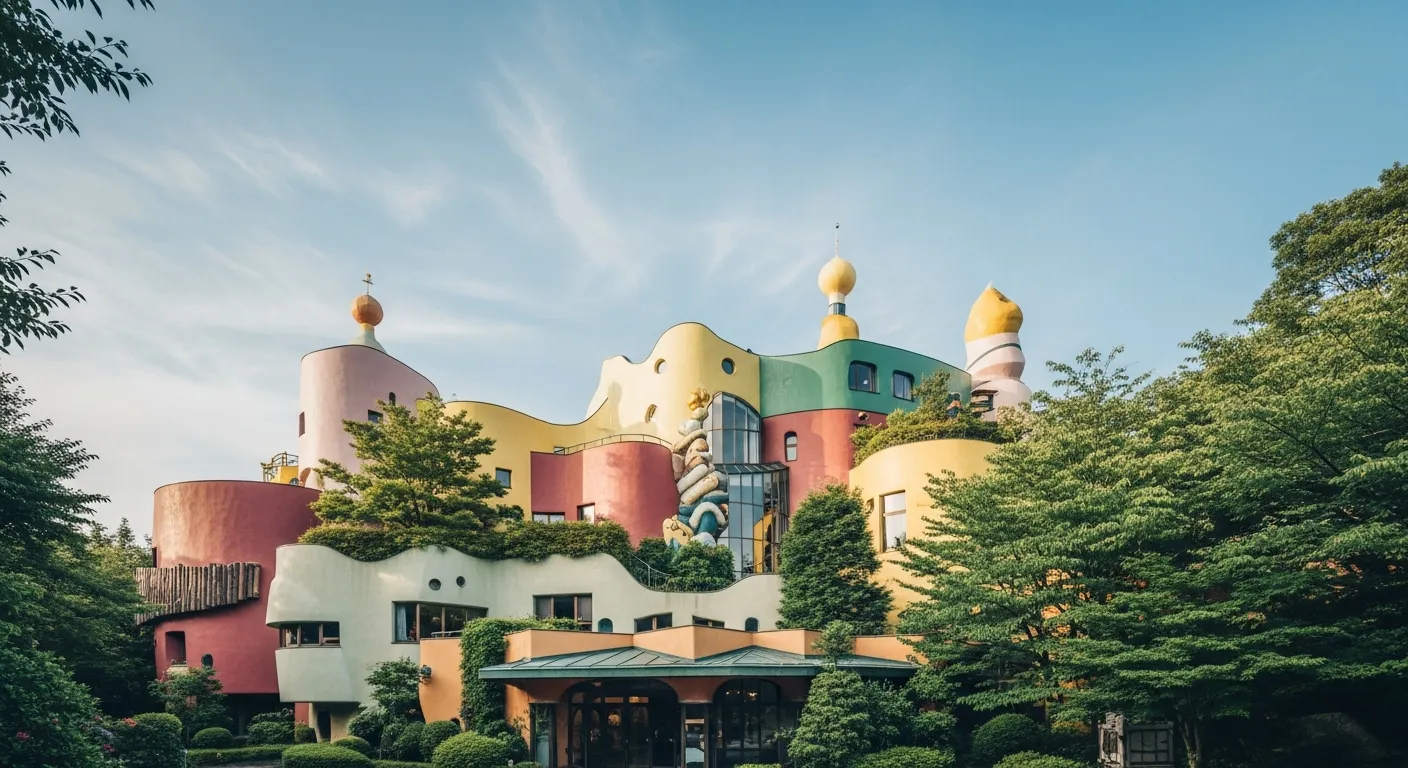
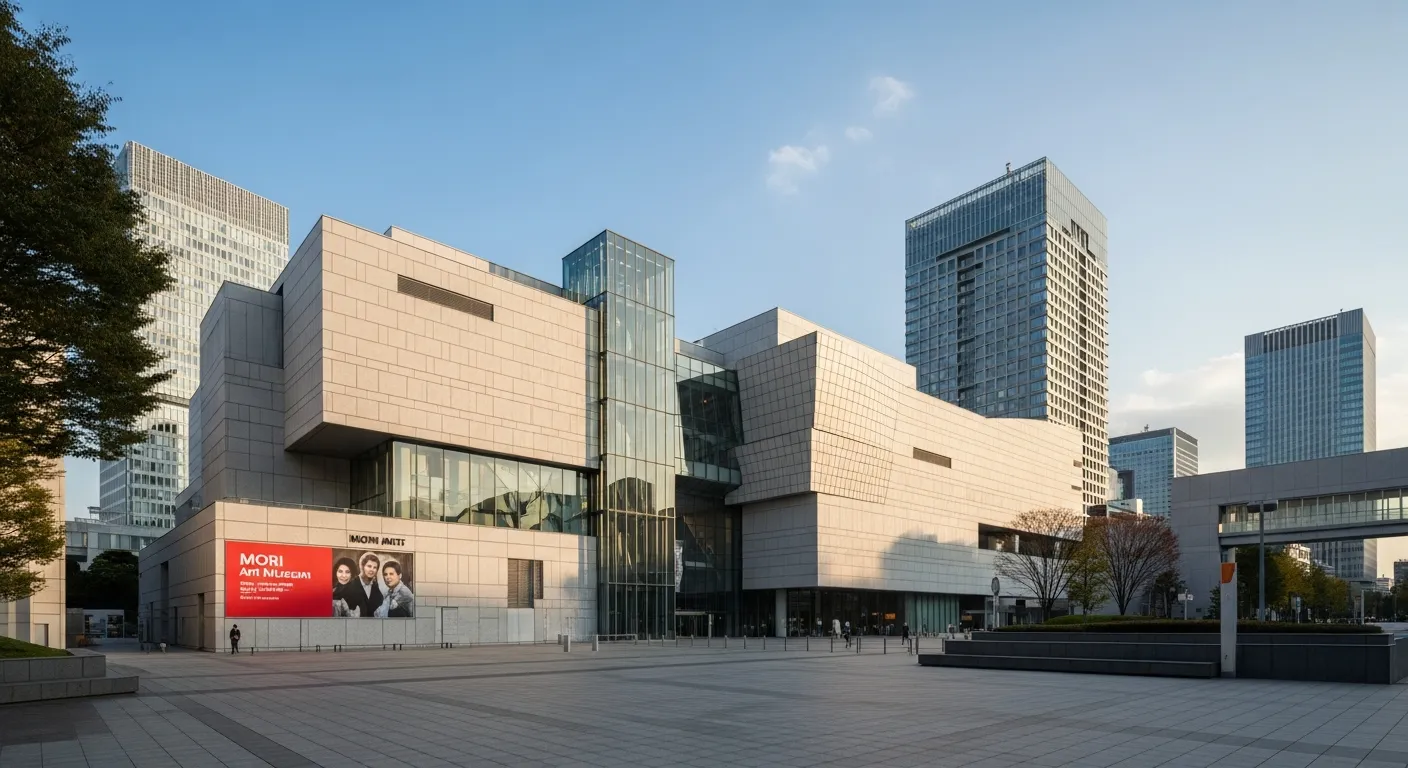
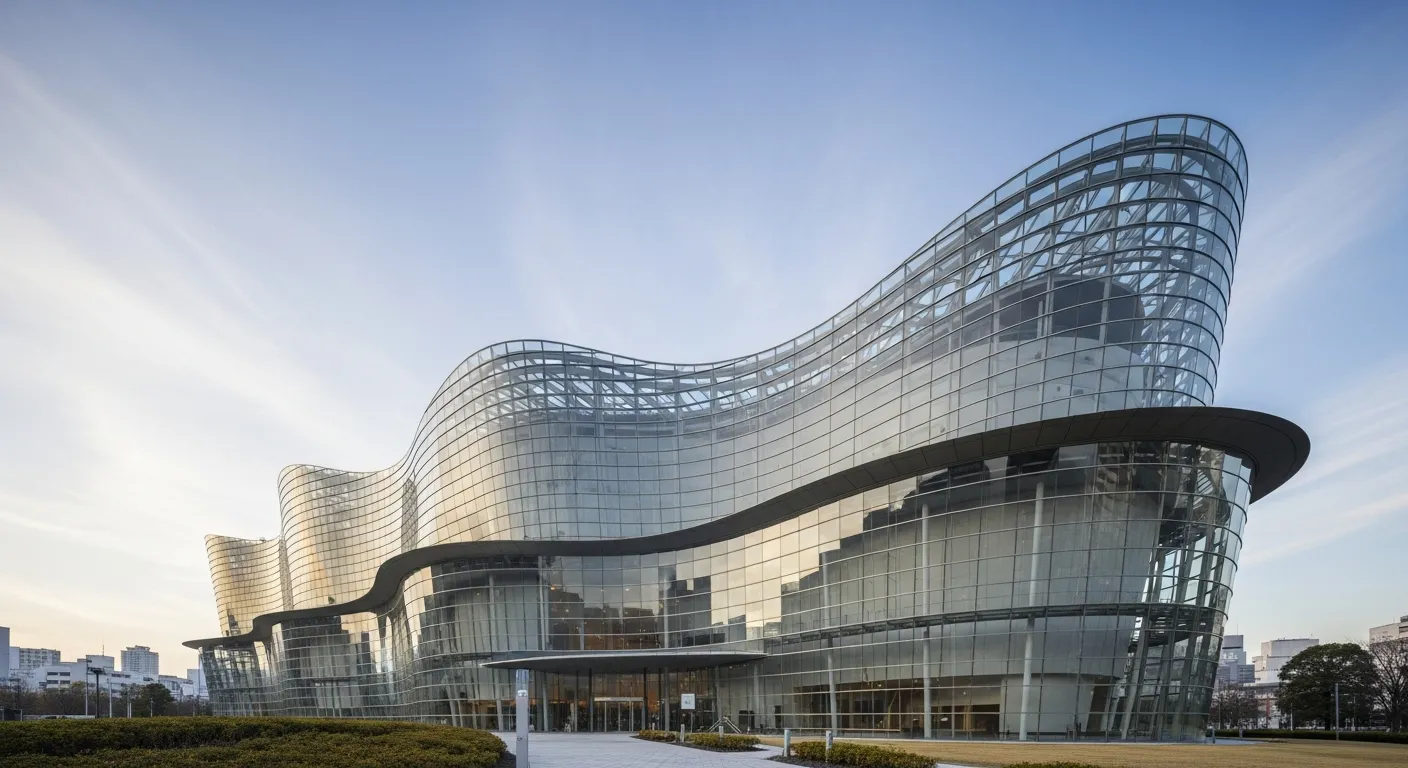
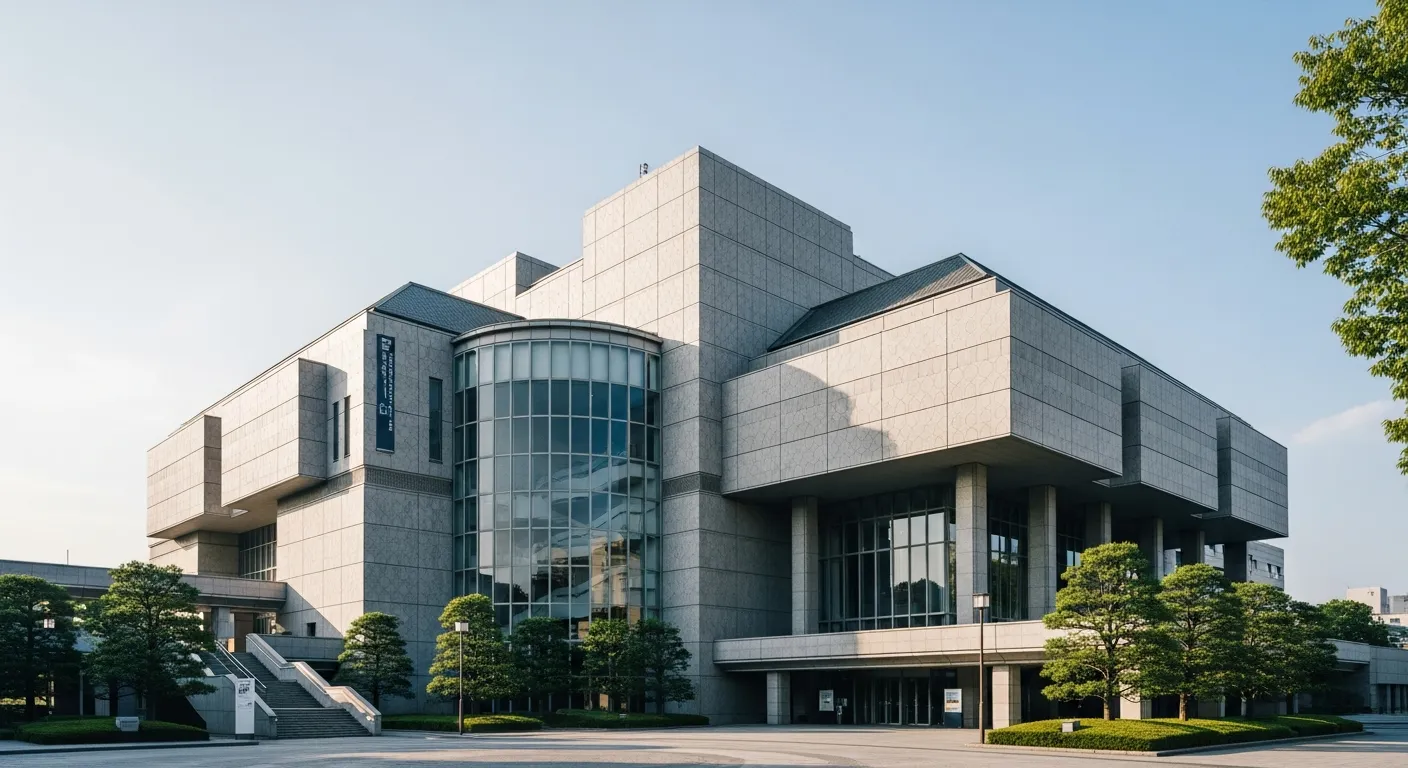
Founded in 1952, the National Museum of Modern Art, Tokyo (MOMAT) was Japan's first national art museum. Its current building by Yoshiro Taniguchi opened in 1969 in Kitanomaru Park beside the Imperial Palace moat and was renovated in 2002.
The collection traces Japanese modern art from the Meiji period through the 20th century — yōga (Western-style oil painting), nihonga (Japanese-style painting), prints, and sculpture. Works by Yorozu Tetsugorō, Tomioka Tessai, and Tsuguharu Foujita anchor the permanent display.
The Crafts Gallery moved to Kanazawa and is no longer at the Tokyo site. MOMAT focuses on painting and sculpture. Free admission on the first Sunday of each month.
The view terrace overlooks the Imperial Palace moat and cherry trees — spectacular in sakura season. Friday and Saturday late opening until 8 PM.
Best for: Art Lovers · Japanese art enthusiasts · First-timers
How long do you need at National Museum of Modern Art, Tokyo?
Allow 1.5–2 hours. A focused route through 4 must-see highlights at National Museum of Modern Art, Tokyo without museum fatigue. Follow the stops in order:
- 1
Nude Beauty
📍 Permanent collection, 2nd floor
Yorozu's fusion of Post-Impressionist colour and Japanese subject matter — a landmark of Taishō-era modernism and a MOMAT collection highlight.
- 2
Landscape of the Four Seasons
📍 Nihonga gallery
Tessai's late masterwork — literati-style ink landscape by the great nihonga painter who worked into his eighties.
- 3
Bridge over the Moat
📍 Modern Japanese painting gallery
Foujita's distinctive milky-white nudes and Paris-Tokyo career — the Japanese-French painter whose line and palette defined 1920s modernism.
- 4
Imperial Palace Moat View
📍 View terrace, upper floor
The terrace overlooks the Imperial Palace moat and Kitanomaru Park — cherry blossoms in spring, one of central Tokyo's best museum views.
What are the must-see works at National Museum of Modern Art, Tokyo?
4 highlights that define the collection: Nude Beauty, Landscape of the Four Seasons, Bridge over the Moat and more.
Nude Beauty
Yorozu Tetsugorō · 1912
📍 Permanent collection, 2nd floor
Yorozu's fusion of Post-Impressionist colour and Japanese subject matter — a landmark of Taishō-era modernism and a MOMAT collection highlight.
Landscape of the Four Seasons
Tomioka Tessai · 1924
📍 Nihonga gallery
Tessai's late masterwork — literati-style ink landscape by the great nihonga painter who worked into his eighties.
Bridge over the Moat
Tsuguharu Foujita · 1930s
📍 Modern Japanese painting gallery
Foujita's distinctive milky-white nudes and Paris-Tokyo career — the Japanese-French painter whose line and palette defined 1920s modernism.
Imperial Palace Moat View
Kitanomaru Park · ongoing
📍 View terrace, upper floor
The terrace overlooks the Imperial Palace moat and Kitanomaru Park — cherry blossoms in spring, one of central Tokyo's best museum views.
Collections and highlights
- • Japanese modern art — Meiji to 20th century
- • Yōga Western-style oil painting
- • Nihonga Japanese-style painting
- • Yorozu Tetsugorō and Tomioka Tessai
- • Prints and sculpture
- • Rotating temporary exhibitions
- • View terrace over Imperial Palace moat
Tips for visiting National Museum of Modern Art, Tokyo
- 1.
Best time to visit
Friday or Saturday evening until 8 PM. First Sunday of month for free admission — arrive early.
- 2.
Crowds & busy periods
Moderate — quieter than Ueno museums. Cherry blossom season brings crowds to the terrace.
- 3.
Tickets & booking
¥500 standard at momat.go.jp. Free first Sunday of month. Special exhibitions priced separately.
- 4.
Food & cafés nearby
Limited beside the museum; Takebashi and Otemachi restaurants 5 minutes away.
- 5.
Accessibility
Fully accessible after 2002 renovation. Elevator to view terrace.
How do you get to National Museum of Modern Art, Tokyo?
- metro Tozai Line to Takebashi — 1-minute walk to Kitanomaru Park entrance
- metro Hanzomon Line to Hanzomon — 10-minute walk through the park
- walk Kitanomaru Park — 5 minutes from Imperial Palace East Gardens
Address: 3-1 Kitanomaru Park, Chiyoda City, Tokyo, Japan
National Museum of Modern Art, Tokyo: frequently asked questions
Is the Crafts Gallery still part of MOMAT?
The Crafts Gallery has moved to Kanazawa and is no longer part of the Tokyo site.
Is admission free at any time?
Yes, free on the first Sunday of each month.
How long should I spend at National Museum of Modern Art, Tokyo?
Plan 1.5–2 hours for the highlights of National Museum of Modern Art, Tokyo. Our 4-stop route — Nude Beauty, Landscape of the Four Seasons, Bridge over the Moat and more — is designed to fit that time. Add extra time for temporary exhibitions, the shop and the café.
What is National Museum of Modern Art, Tokyo best known for?
Founded in 1952, MOMAT was the first national art museum in Japan. Its current building by Yoshiro Taniguchi opened in 1969 and was renovated in 2002. Key highlights include Yorozu Tetsugorō painting, Tomioka Tessai late masterworks, Permanent room of major Japanese modernism.
How do I get tickets for National Museum of Modern Art, Tokyo?
Admission: ¥500 standard admission. Tickets are usually available on the day, but booking online saves queue time in peak season. Official site: https://www.momat.go.jp/en/
Is the Crafts Gallery still at MOMAT?
No — the Crafts Gallery relocated to Kanazawa (National Crafts Museum). The Tokyo site now focuses on painting, sculpture, and prints.
When is admission free?
Free on the first Sunday of each month. Standard admission is ¥500 on other days. Special exhibitions require separate tickets.
How does MOMAT compare to the Tokyo National Museum?
TNM in Ueno covers Japanese art from antiquity to 19th century. MOMAT covers modern art from the Meiji period onward. Both are essential — different eras, different locations.
Is National Museum of Modern Art, Tokyo open on Mondays?
No — National Museum of Modern Art, Tokyo is closed every Monday. It is open Tuesday to Sunday: 10:00 AM – 5:00 PM (Friday and Saturday until 8:00 PM). Plan a different museum for that day, and check the official website for holiday changes.
What are National Museum of Modern Art, Tokyo's opening hours?
National Museum of Modern Art, Tokyo is open Tuesday to Sunday: 10:00 AM – 5:00 PM (Friday and Saturday until 8:00 PM), and closed Mondays. Hours can change for holidays and events, so check the official website before you go.