Indian Museum
Quick answer
Indian Museum in Kolkata, India — founded in 1814 by the Asiatic Society of Bengal, the Indian Museum in Kolkata is the oldest museum in India and one of the oldest in the world. Open Tuesday to Sunday: 10:00 AM – 5:00 PM; closed Mondays. Admission: ₹500 foreign visitors · ₹50 Indian nationals. Allow 2–3 hours.
Visitor information last reviewed 30 June 2026. Check the official museum site for current details.
Indian Museum at a glance: hours, tickets and time needed
| Opening hours | Tuesday to Sunday: 10:00 AM – 5:00 PM |
|---|---|
| Closed | Mondays and national holidays |
| Admission | ₹500 foreign visitors · ₹50 Indian nationals |
| Free or reduced entry | Indian nationals ₹50 · School groups discounted |
| Booking | Tickets usually available on the day |
| Time needed | 2–3 hours |
| Best time to visit | Arrive at opening (10:00 AM) on a weekday to avoid school groups. |
| Getting there | Metro: Park Street metro station — 5-minute walk along Jawaharlal Nehru Road |
| Address | 27 Jawaharlal Nehru Rd, Park Street, Kolkata 700016, India |
| Official website | indianmuseumkolkata.org |
Checked 2026-06-30 against the official website. Prices and hours change — confirm before you travel.
What is Indian Museum known for?
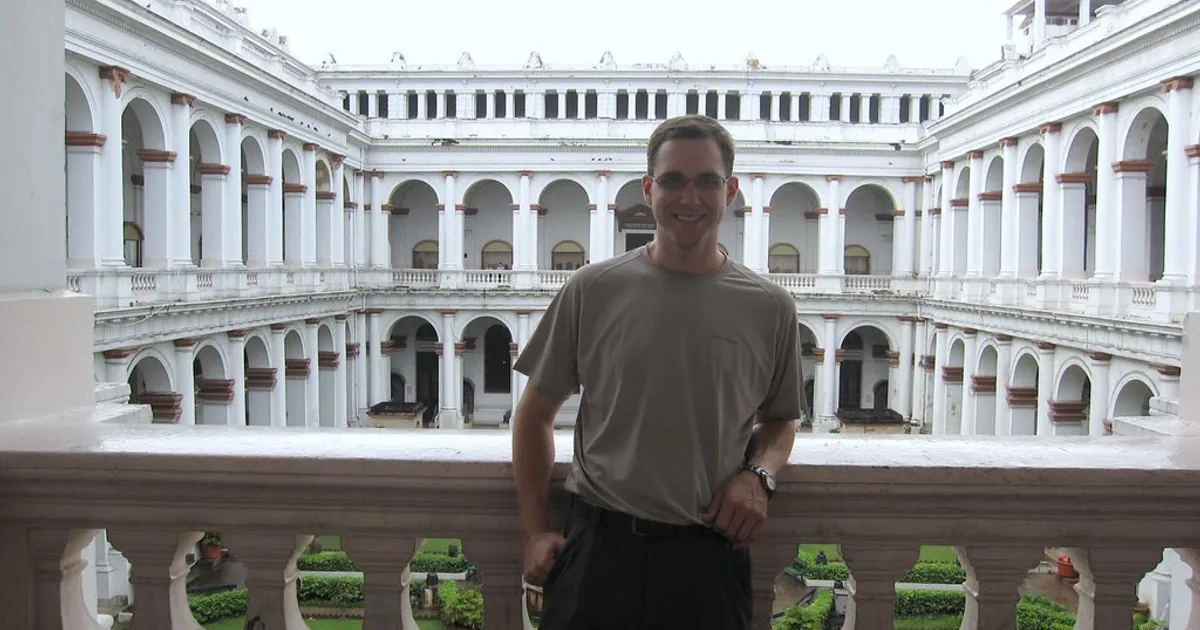
Founded in 1814 by the Asiatic Society of Bengal, the Indian Museum in Kolkata is the oldest museum in India and one of the oldest in the world. Its grand colonnaded building on Chowringhee Road has been Kolkata's principal repository of art, archaeology, and natural history for over two centuries.
The collections span six sections — archaeology, art, anthropology, geology, zoology, and economic botany — with celebrated holdings including Egyptian mummies, Bharhut Buddhist railings, Gandharan sculpture, and Nok-style terracottas.
The museum played a pioneering role in Asian archaeology and remains an essential stop for understanding the depth of India's material heritage, though its galleries reflect the character of a 19th-century institution still being modernised.
Best for: History Enthusiasts · Art Lovers
How long do you need at Indian Museum?
Allow 2–3 hours. A focused route through 4 must-see highlights at Indian Museum without museum fatigue. Follow the stops in order:
- 1
Egyptian Mummy
📍 Egypt Gallery
One of the few genuine Egyptian mummies in India — a wrapped body in its painted cartonnage case, donated to the Asiatic Society in the early 19th century and a perennial draw for visitors.
- 2
Bharhut Buddhist Railing Pillar
📍 Archaeology Gallery
Carved red sandstone pillar from the Bharhut stupa depicting Jataka tales — among the earliest narrative Buddhist relief sculpture surviving in India.
- 3
Gandharan Fasting Buddha
📍 Sculpture Gallery
A emaciated figure of Siddhartha during his ascetic period — a masterpiece of Greco-Buddhist sculpture showing the influence of Hellenistic anatomical realism.
- 4
Ashoka Pillar Fragment
📍 Archaeology Gallery
A polished sandstone fragment bearing Brahmi inscriptions from the reign of Emperor Ashoka — connecting the museum to the earliest written history of the Indian subcontinent.
What are the must-see works at Indian Museum?
4 highlights that define the collection: Egyptian Mummy, Bharhut Buddhist Railing Pillar, Gandharan Fasting Buddha and more.
Egyptian Mummy
Ptolemaic period · c. 300 BCE
📍 Egypt Gallery
One of the few genuine Egyptian mummies in India — a wrapped body in its painted cartonnage case, donated to the Asiatic Society in the early 19th century and a perennial draw for visitors.
Bharhut Buddhist Railing Pillar
Sunga period · c. 2nd century BCE
📍 Archaeology Gallery
Carved red sandstone pillar from the Bharhut stupa depicting Jataka tales — among the earliest narrative Buddhist relief sculpture surviving in India.
Gandharan Fasting Buddha
Gandhara school · c. 2nd–3rd century CE
📍 Sculpture Gallery
A emaciated figure of Siddhartha during his ascetic period — a masterpiece of Greco-Buddhist sculpture showing the influence of Hellenistic anatomical realism.
Ashoka Pillar Fragment
Mauryan · c. 3rd century BCE
📍 Archaeology Gallery
A polished sandstone fragment bearing Brahmi inscriptions from the reign of Emperor Ashoka — connecting the museum to the earliest written history of the Indian subcontinent.
Collections and highlights
- • Egyptian mummy and antiquities
- • Bharhut and Gandharan Buddhist sculpture
- • Mauryan and Sunga period archaeology
- • Indian miniature and company paintings
- • Natural history and geological specimens
Tips for visiting Indian Museum
- 1.
Best time to visit
Arrive at opening (10:00 AM) on a weekday to avoid school groups. The museum closes Mondays and major national holidays.
- 2.
Tickets & booking
Tickets at the entrance — ₹500 for foreign visitors, ₹50 for Indian nationals. Photography permits cost extra.
- 3.
Accessibility
The building has steps at the main entrance. Limited wheelchair access — contact the museum in advance for assistance.
- 4.
Photography rules
Photography requires a separate camera ticket. Flash is prohibited throughout the galleries.
How do you get to Indian Museum?
- metro Park Street metro station — 5-minute walk along Jawaharlal Nehru Road
- metro Esplanade metro — 10-minute walk via Chowringhee
- bus Multiple Kolkata bus routes stop on Chowringhee Road near the museum
- walk 15 minutes from Victoria Memorial through the Maidan
Address: 27 Jawaharlal Nehru Rd, Park Street, Kolkata 700016, India
Indian Museum: frequently asked questions
Is the Indian Museum in Kolkata the oldest in India?
Yes — founded in 1814, it is the oldest museum in India and one of the oldest in the world. It predates the British Museum's public opening by decades in its institutional history.
How long should I spend at Indian Museum?
Plan 2–3 hours for the highlights of Indian Museum. Our 4-stop route — Egyptian Mummy, Bharhut Buddhist Railing Pillar, Gandharan Fasting Buddha and more — is designed to fit that time. Add extra time for temporary exhibitions, the shop and the café.
What is Indian Museum best known for?
The oldest and largest museum in India and the Asia-Pacific region — founded in 1814, with Egyptian mummies, Buddhist art, Bharhut sculptures, and natural history collections. Key highlights include Egyptian mummy and antiquities, Bharhut and Gandharan Buddhist sculpture, Mauryan and Sunga period archaeology.
How do I get tickets for Indian Museum?
Admission: ₹500 foreign visitors · ₹50 Indian nationals. Tickets are usually available on the day, but booking online saves queue time in peak season. Official site: https://indianmuseumkolkata.org/
Why does the Indian Museum have an Egyptian mummy?
The mummy was acquired by the Asiatic Society of Bengal in the early 19th century through colonial-era collecting networks. It remains one of only a handful of Egyptian mummies on display in India.
What are the Bharhut sculptures?
Red sandstone carvings from a 2nd-century BCE Buddhist stupa at Bharhut in Madhya Pradesh — among the earliest narrative Buddhist art in India, depicting Jataka stories and worship scenes.
Is the Indian Museum being renovated?
Sections of the museum have undergone phased renovation in recent years. Some galleries may be closed — check the official website before visiting to see which sections are open.
Is Indian Museum open on Mondays?
No — Indian Museum is closed every Monday (closing days: Mondays and national holidays). It is open Tuesday to Sunday: 10:00 AM – 5:00 PM. Plan a different museum for that day, and check the official website for holiday changes.
What are Indian Museum's opening hours?
Indian Museum is open Tuesday to Sunday: 10:00 AM – 5:00 PM, and closed Mondays and national holidays. Hours can change for holidays and events, so check the official website before you go.
Is Indian Museum free to visit?
No — standard admission is ₹500 foreign visitors · ₹50 Indian nationals. Exceptions: Indian nationals ₹50; School groups discounted.