Field Museum
Chicago · United States · Founded 1893
Quick answer
Field Museum in Chicago, United States — one of the world's largest natural history museums, home to SUE the T. Open daily, 9:00 AM – 5:00 PM. Admission: From $28 standard admission (Chicago residents discounted). Allow 2–3 hours.
Visitor information last reviewed 30 June 2026. Check the official museum site for current details.
Field Museum at a glance: hours, tickets and time needed
| Opening hours | Daily: 9:00 AM – 5:00 PM |
|---|---|
| Admission | From $28 standard admission (Chicago residents discounted) |
| Free or reduced entry | Free days for Illinois residents on select dates · Children under 3 free |
| Booking | Tickets usually available on the day |
| Time needed | 2–3 hours |
| Best time to visit | Weekday mornings right at 9:00 AM opening — Evolving Planet and Ancient Egypt are quietest before school groups arrive around 10:30 AM. |
| Getting there | Metro: CTA Red, Orange, or Green Line to Roosevelt — 15-minute walk east along Museum Campus Drive, or transfer to the #146 bus |
| Address | 1400 S Lake Shore Dr, Chicago, IL 60605, United States |
| Official website | fieldmuseum.org |
Checked 2026-06-30 against the official website. Prices and hours change — confirm before you travel.
What is Field Museum known for?
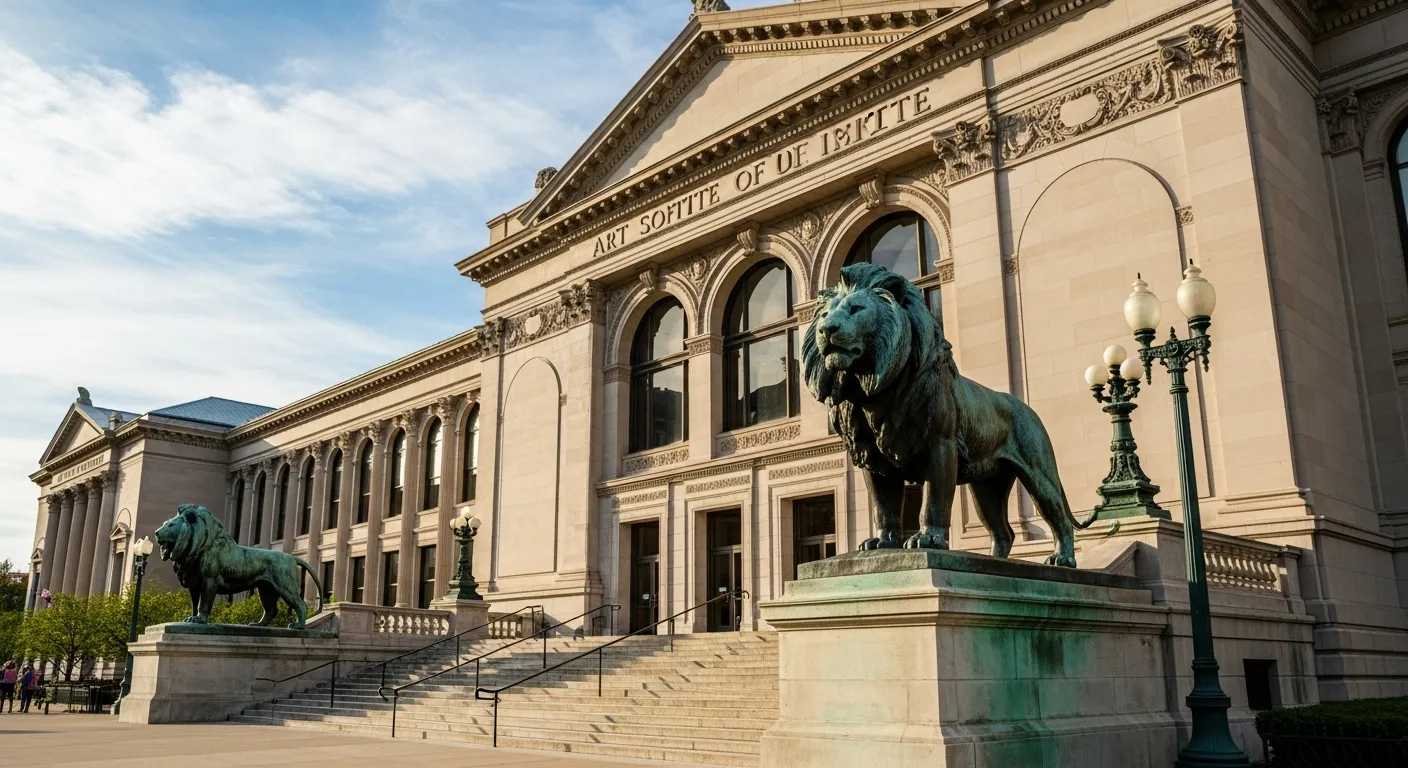
The Field Museum of Natural History stands on Chicago's Museum Campus alongside Shedd Aquarium and Adler Planetarium, occupying a neoclassical building that opened for the 1893 World's Columbian Exposition. Founded to house biological and anthropological collections from that fair, it has grown into one of the world's largest natural history museums, stewarding more than 40 million specimens and cultural objects spanning 4.6 billion years of Earth's history.
Stanley Field Hall greets visitors with Maximo, a cast of the Patagotitan mayorum — one of the largest dinosaurs ever discovered — while SUE, the most complete Tyrannosaurus rex skeleton ever found, anchors the Evolving Planet exhibition on the second floor. The museum's strengths extend far beyond paleontology: the Ancient Egypt galleries contain twenty-three human mummies and a intact three-storey mastaba tomb, while the Grainger Hall of Gems displays one of the world's finest collections of cut gemstones and jade.
The Field Museum is also a leading research institution. Its scientists conduct fieldwork on every continent, from excavating fossils in the Gobi Desert to documenting biodiversity in the Amazon. Exhibitions translate that research for the public, addressing climate change, cultural heritage, and evolutionary biology through immersive displays that reward both quick visits and full-day exploration.
Located at the south end of Grant Park with sweeping views of Lake Michigan, the museum draws roughly 1.5 million visitors annually. It remains one of Chicago's essential cultural destinations — equally compelling for families seeking dinosaur encounters and for adults interested in world-class anthropology and geology collections.
Best for: Families · History Enthusiasts · First-timers
How long do you need at Field Museum?
Allow 2–3 hours. A focused route through 4 must-see highlights at Field Museum without museum fatigue. Follow the stops in order:
- 1
SUE the T. rex
📍 Griffin Halls of Evolving Planet, 2nd Floor
The most complete T.
- 2
Maximo the Patagotitan
📍 Stanley Field Hall, Main Level
A cast of the largest dinosaur ever mounted in a museum, stretching 122 feet from snout to tail.
- 3
Inside Ancient Egypt
📍 Inside Ancient Egypt, Main Level
A complete three-storey mastaba tomb of Unis-Ankh, son of a pharaoh, relocated from Saqqara with its painted burial chamber intact.
- 4
Man-Eaters of Tsavo
📍 Mammals of Africa, Upper Level
The pair of maneless lions that killed an estimated 35 railway workers during construction of the Kenya-Uganda Railway, immortalized in the film The Ghost and the Darkness.
What are the must-see works at Field Museum?
4 highlights that define the collection: SUE the T. rex, Maximo the Patagotitan, Inside Ancient Egypt and more.
SUE the T. rex
Tyrannosaurus rex · c. 67 million years ago
📍 Griffin Halls of Evolving Planet, 2nd Floor
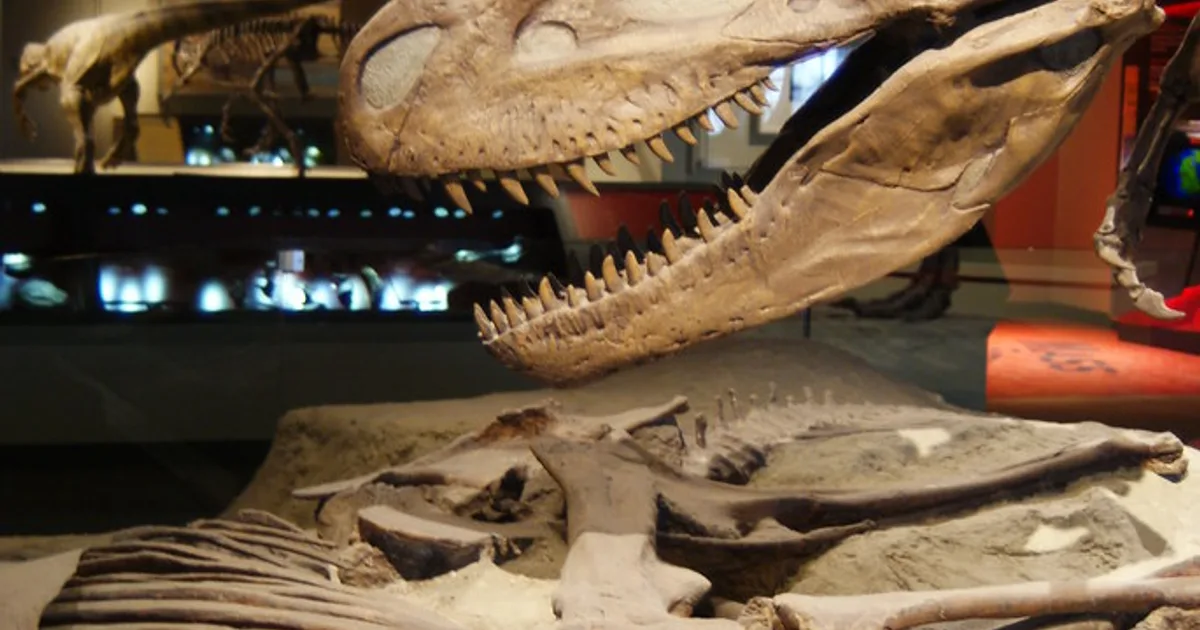
The most complete T. rex skeleton ever discovered — 90 percent complete by bone volume — found in South Dakota in 1990 and named for discoverer Sue Hendrickson. At 40 feet long with 58 teeth, SUE is the definitive specimen for understanding the apex predator of the Late Cretaceous.
Maximo the Patagotitan
Patagotitan mayorum · c. 101 million years ago
📍 Stanley Field Hall, Main Level
A cast of the largest dinosaur ever mounted in a museum, stretching 122 feet from snout to tail. This titanosaur from Argentina weighed an estimated 70 tons and dominates the central hall as the museum's most visible landmark.
Inside Ancient Egypt
Old Kingdom mastaba tomb · c. 2400 BCE
📍 Inside Ancient Egypt, Main Level
A complete three-storey mastaba tomb of Unis-Ankh, son of a pharaoh, relocated from Saqqara with its painted burial chamber intact. Twenty-three human mummies and hundreds of grave goods surround the tomb in one of the most comprehensive Egyptian displays outside Cairo.
Man-Eaters of Tsavo
Panthera leo · 1898
📍 Mammals of Africa, Upper Level
The pair of maneless lions that killed an estimated 35 railway workers during construction of the Kenya-Uganda Railway, immortalized in the film The Ghost and the Darkness. Their skulls and hides remain among the museum's most storied specimens.
Collections and highlights
- • Evolving Planet — 4 billion years of life on Earth
- • Inside Ancient Egypt — mummies, tomb, and daily life
- • Grainger Hall of Gems — jewels, jade, and meteorites
- • Cyrus Tang Hall of China — 5,000 years of Chinese civilization
- • Pacific Spirits — cultures of the Pacific Islands
- • Restoring Earth — conservation and biodiversity
- • Crown Family PlayLab — hands-on space for children under 6
- • Maori meeting house (Ruatepupuke II) — full-scale carved wharenui
Tips for visiting Field Museum
- 1.
Best time to visit
Weekday mornings right at 9:00 AM opening — Evolving Planet and Ancient Egypt are quietest before school groups arrive around 10:30 AM.
- 2.
Crowds & busy periods
Summer, spring break, and rainy weekends bring heavy family traffic. SUE and Stanley Field Hall bottleneck first; start upstairs in Evolving Planet and work down.
- 3.
Tickets & booking
Buy online at fieldmuseum.org for a small discount and guaranteed entry. Illinois residents receive discounted admission with proof of residency.
- 4.
Food & cafés nearby
The Field Bistro on the ground level serves lunch; the Museum Campus has limited options — many visitors eat in Chinatown (10 minutes by taxi) or bring snacks.
- 5.
Accessibility
Fully wheelchair accessible with elevators to all floors. Wheelchairs and strollers available at the main entrance. Sensory-friendly resources available on request.
How do you get to Field Museum?
- metro CTA Red, Orange, or Green Line to Roosevelt — 15-minute walk east along Museum Campus Drive, or transfer to the #146 bus
- bus CTA #146 Inner Drive/Michigan Express runs from downtown Michigan Avenue directly to the Museum Campus entrance
- car Paid parking lot on Museum Campus ($30–$35); enter from Lake Shore Drive at 18th Street or Solidarity Drive
Address: 1400 S Lake Shore Dr, Chicago, IL 60605, United States
Field Museum: frequently asked questions
What is SUE the T. rex at the Field Museum?
SUE is the most complete Tyrannosaurus rex skeleton ever discovered — 90% complete by bone volume. Named after discoverer Sue Hendrickson, the specimen stands in Stanley Field Hall and is the museum's most famous attraction.
How long does a Field Museum visit take?
Plan 2–3 hours for highlights including SUE, the Ancient Egypt gallery, and the Evolving Planet exhibition. A full visit can take 4–5 hours.
Is the Field Museum good for families?
Yes — one of the best family museums in the United States. Interactive exhibits, the Underground Adventure, and SUE appeal strongly to children.
How long should I spend at Field Museum?
Plan 2–3 hours for the highlights of Field Museum. Our 4-stop route — SUE the T. rex, Maximo the Patagotitan, Inside Ancient Egypt and more — is designed to fit that time. Add extra time for temporary exhibitions, the shop and the café.
What is Field Museum best known for?
One of the world's largest natural history museums, home to SUE the T. rex — the most complete Tyrannosaurus rex skeleton ever found — plus ancient Egypt, gems, and anthropology collections spanning 4.6 billion years. Key highlights include Evolving Planet — 4 billion years of life on Earth, Inside Ancient Egypt — mummies, tomb, and daily life, Grainger Hall of Gems — jewels, jade, and meteorites.
How do I get tickets for Field Museum?
Admission: From $28 standard admission (Chicago residents discounted). Tickets are usually available on the day, but booking online saves queue time in peak season. Official site: https://www.fieldmuseum.org/
What happened to SUE in Stanley Field Hall?
SUE moved from Stanley Field Hall to a dedicated suite in the Griffin Halls of Evolving Planet in 2018, where the skeleton is now displayed in a more scientifically accurate posture with fossilized stomach contents visible. Maximo, a cast of the Patagotitan mayorum titanosaur, replaced SUE in the main hall. Both are must-see — allow time for the full Evolving Planet walk-through to see SUE in context with other dinosaurs and early mammals.
Can you visit the Field Museum, Shedd Aquarium, and Adler Planetarium in one day?
It is physically possible because all three share the Museum Campus, but it makes for an exhausting 8–10 hour day. Most visitors choose two of the three. The Field Museum alone warrants 2–3 hours minimum. Combined Campus passes are occasionally offered — check each institution's website for current bundle deals.
Does the Field Museum have free days for Illinois residents?
Yes — the Field Museum offers free admission days for Illinois residents on select dates throughout the year, typically published in January on the museum website. Proof of Illinois residency is required. Children under 3 are always free regardless of residency.
Is Field Museum open on Mondays?
Yes — Field Museum is open every day of the week, including Mondays and Sundays: 9:00 AM – 5:00 PM. Check the official website for holiday hours.
What are Field Museum's opening hours?
Field Museum is open daily, 9:00 AM – 5:00 PM. Hours can change for holidays and events, so check the official website before you go.